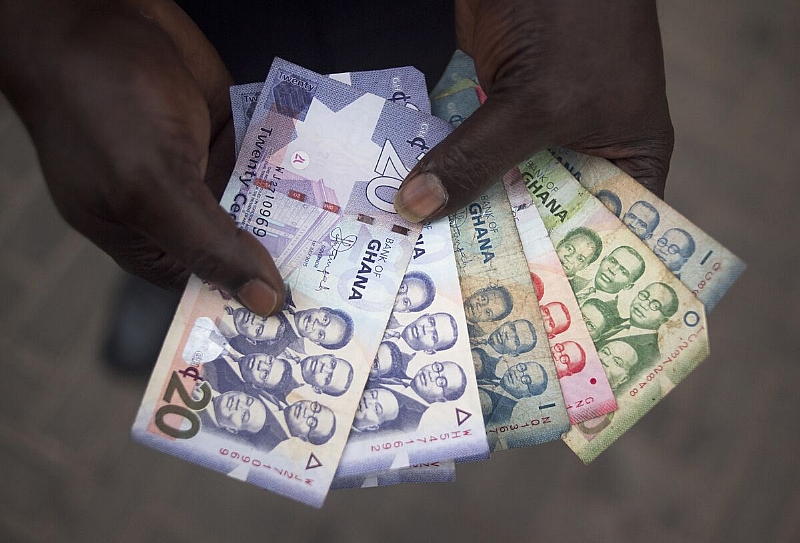
On October 29, 2024, the Ghanaian Cedi experienced a notable depreciation against the United States dollar, with a decline of 5 pesewas in both buying and selling rates compared to the previous day. As of 10:00 AM, the buying rate stood at GHS16.17, while the selling rate was GHS16.63. These figures reflect the ongoing volatility in currency exchange rates, as reported by Cedirates.com, a recognized platform for currency and fuel updates in Ghana. Such fluctuations are common and can significantly impact various sectors of the economy, particularly in trade and services, where transactions often rely on stable currency values.
In the interbank market, the Cedi is trading slightly lower, with a purchasing rate of GHS16.14 and a selling rate of GHS16.16 per US dollar. This discrepancy between the interbank rates and those offered on the street emphasizes the different experiences consumers and businesses face. Moreover, the British Pound Sterling is recording an average buying rate of GHS20.81 and a selling rate of GHS21.58, while the Euro’s rates are GHS17.29 for buying and GHS18.03 for selling. Such variations are critical for importers and exporters, as they directly affect the costs associated with international transactions and the pricing strategies for domestic consumers.
For those looking to transfer money to Ghana from abroad, services like LemFi and Afriex provide competitive rates; specifically, sending money from the United States is priced at GHS16.28 per dollar through LemFi and GHS15.42 through Afriex. These services aim to facilitate remittances and financial transfers at favorable rates, reflecting the increasing demand for efficient cross-border financial solutions amidst fluctuating exchange rates. Additionally, the rates for transferring British Pounds stand at GHS21.13 for buying and GHS20.69 for selling, indicating that consumers are receiving somewhat better rates when sending GBP compared to USD.
Interestingly, the only service updating Euro rates on that Tuesday was Afriex, offering GHS16.94 for €1. This highlights a potential gap in the market for reliable currency exchange services, particularly for the Euro, where rates fluctuate frequently. The differences between various money transfer services can have significant implications for users who depend on accurate and timely currency exchanges for personal or business transactions, illustrating the importance of comparing options before making transfers.
Furthermore, individuals renewing their subscriptions for platforms like Netflix, Spotify, and Apple Music via Visa and Mastercard will encounter slightly varying rates. Both payment processors are set at a rate of GHS17.39 and GHS17.28 per US dollar, respectively. This variability in rates can influence the final amount paid by consumers when dealing with international services, reiterating the ongoing reality of currency fluctuations— especially in a globally connected economy where digital payment solutions are increasingly prevalent.
In summary, the depreciation of the Ghanaian Cedi presents challenges and opportunities for both consumers and businesses. The variations in buying and selling rates against major currencies, such as the US dollar, British Pound, and Euro, showcase the complexities of currency exchange in Ghana’s economy. For individuals and businesses engaging in remittance and digital transactions, staying informed about competitive exchange rates and utilizing available financial services can alleviate some of the impacts associated with these fluctuations. As the financial landscape continues to evolve, so will the mechanisms and strategies for navigating these currency changes.