





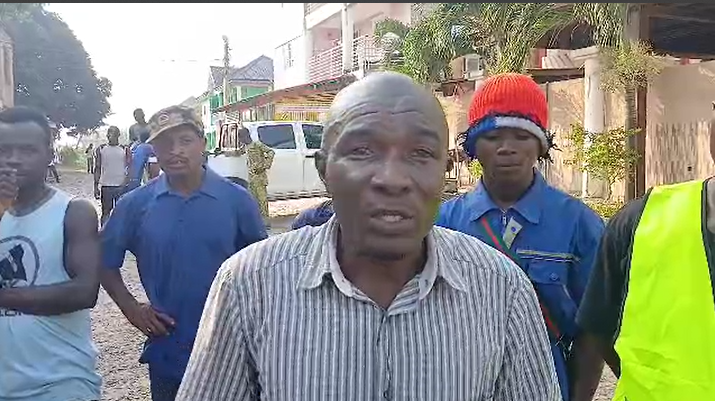
The Ofankor to Nsawam road rehabilitation project, a crucial component of the Ghanaian government’s ambitious plan to dualize the Accra-Kumasi highway, has been paralyzed by a worker strike stemming from unpaid wages. Over 600 casual laborers have downed their tools, demanding immediate payment of three months’ salary arrears. This work stoppage has brought the project to a grinding halt, significantly impacting commuters who depend on the route for their daily activities and disrupting the overall progress of this vital infrastructure development. The workers’ plight underscores the precarious nature of casual labor and the vulnerability of workers dependent on timely wage payments for their livelihood.
The workers’ frustration is palpable, fueled by the perceived indifference of their employers to their financial struggles. Anefi Andor, the leader of the aggrieved workers, painted a vivid picture of their hardship, describing their current living conditions as unbearable. He recounted how the company abruptly halted the project without prior notification, sending most workers home while retaining a select few to pack up the materials. This unexpected move left the majority of the workforce stranded and without income, exacerbating their financial vulnerability. The timing of this action, coinciding with the Christmas season, further amplified the workers’ anxieties as they faced the prospect of a bleak holiday period without the means to provide for their families.
Adding insult to injury, Andor alleges that the company, despite claiming financial difficulties, provided meals for its staff while the workers, housed in company accommodations, were left to starve for weeks. This stark contrast between the company’s apparent ability to provide for its core staff and its alleged neglect of the casual workers’ basic needs further inflamed the workers’ anger and solidified their resolve to demand their due wages. The workers’ claims, if substantiated, highlight a concerning disparity in treatment between different categories of employees and raise questions about the company’s ethical obligations towards its workforce.
The workers’ decision to strike represents a desperate attempt to secure their rightful earnings and draw attention to their plight. The non-payment of wages not only deprives them of their livelihood but also undermines their dignity and sense of worth. Their desperation is evident in their willingness to forego their income and risk further repercussions in order to pressure the company into addressing their grievances. The strike underscores the power imbalance inherent in the employer-employee relationship, particularly in the context of casual labor where workers often lack the bargaining power and legal protections afforded to permanent employees.
The implications of this work stoppage extend beyond the immediate concerns of the affected workers. The stalled project represents a setback for the government’s infrastructure development plans and underscores the potential risks associated with relying on casual labor for critical projects. The disruption to commuter traffic further highlights the interconnectedness of infrastructure development and the daily lives of citizens. The incident serves as a reminder of the importance of ensuring fair labor practices and timely wage payments, not only for the well-being of workers but also for the successful completion of vital infrastructure projects.
Ultimately, the Ofankor to Nsawam road project standoff reveals the human cost of delayed wages and the precariousness of casual labor. The workers’ struggle for their rightful earnings serves as a stark reminder of the importance of prioritizing worker welfare and ensuring ethical labor practices in all development endeavors. The resolution of this dispute requires not only the immediate payment of the outstanding wages but also a broader examination of the systemic issues that contribute to the vulnerability of casual workers and the potential for labor disputes to disrupt critical infrastructure projects. The government, as a stakeholder in the project, has a responsibility to ensure that contractors adhere to fair labor practices and that workers’ rights are protected. A sustainable solution necessitates a collaborative approach involving all stakeholders – the government, the contracting company, and the workers – to address the root causes of the dispute and prevent similar incidents from occurring in the future.








