





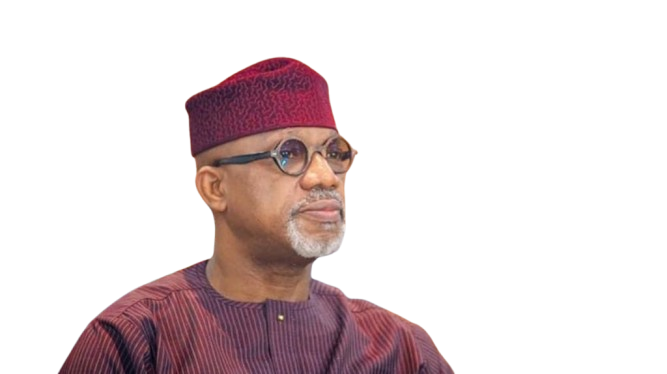
The Ogun State government, under the leadership of Governor Dapo Abiodun, has embarked on a significant initiative to bolster the education sector by addressing a critical shortage of teachers. Recognizing the importance of a favorable student-to-teacher ratio for effective learning, the administration launched the Ogun Teach program, a strategic intervention designed to recruit and deploy qualified educators across the state, particularly in underserved rural areas. This program has already yielded impressive results, with 4,000 interns initially recruited, 2,000 of whom have transitioned into permanent teaching positions. Governor Abiodun has further committed to expanding the program, with plans to recruit an additional 2,000 teachers by 2025, bringing the total number of Ogun Teach interns to 6,000. This sustained effort demonstrates a deep commitment to improving the quality of education in Ogun State.
The Ogun Teach initiative represents a multi-pronged approach to tackling the educational challenges faced by the state. Not only does the program address the immediate need for more teachers, but it also prioritizes teacher welfare by offering competitive wages. Recognizing the financial realities faced by educators, particularly interns, Governor Abiodun increased the monthly stipend for Ogun Teach interns to N80,000. This move not only attracts talented individuals to the profession but also incentivizes them to remain within the state’s education system, fostering stability and continuity in teaching. This commitment to teacher well-being underscores the government’s understanding of the crucial role educators play in shaping the future of the state.
Upon assuming office, Governor Abiodun declared a state of emergency in the education sector, highlighting the urgency of the situation and the need for immediate action. This declaration paved the way for a comprehensive overhaul of the educational landscape, including the implementation of innovative policy initiatives aimed at improving the quality and accessibility of education. One such initiative is the Learners Identification Number, a system designed to track the progress of each student in public schools across the state. This system allows for more effective monitoring and evaluation of student performance, enabling educators and policymakers to identify areas where students may be struggling and implement targeted interventions to support their learning.
Another key component of the state’s Education Revitalisation Agenda is the focus on streamlining educational processes and creating a seamless learning experience for students. This involves simplifying administrative procedures, improving communication between schools and parents, and ensuring that resources are allocated efficiently and equitably. By creating a more supportive and efficient learning environment, the government aims to empower students to reach their full potential and contribute meaningfully to society. This holistic approach to educational reform reflects the administration’s understanding that improving educational outcomes requires addressing not only the immediate needs of students but also the broader systemic challenges that can hinder their progress.
The Ogun State government has also demonstrated a commitment to collaborating with external partners to further strengthen the education sector. Recognizing the valuable contributions of organizations like Teach For All and Teach For Nigeria, the state has actively engaged with these groups to leverage their expertise and resources. Governor Abiodun has expressed his intention to continue absorbing fellows from the Teach For Nigeria program who meet the state’s requirements, highlighting the mutually beneficial nature of this partnership. This collaborative approach underscores the government’s understanding that achieving significant and sustainable improvements in education requires a collective effort involving all stakeholders.
The Teach For Nigeria program, a non-profit organization focused on improving educational outcomes for children in underserved communities, has played a significant role in supporting the Ogun State government’s efforts. The organization recruits highly qualified and motivated young professionals, providing them with intensive training and deploying them as fellows to teach in low-income schools for a two-year period. These fellows bring a fresh perspective and a passion for education, inspiring students and making a tangible difference in their lives. The CEO of Teach For Nigeria, Molade Adeniyi, commended the Ogun State government for creating an enabling environment for the program to thrive, emphasizing the state’s openness to dialogue and its unwavering support for the program’s mission. This positive feedback highlights the strong partnership between the government and Teach For Nigeria, demonstrating the potential of collaborative initiatives to drive meaningful change in education.








