









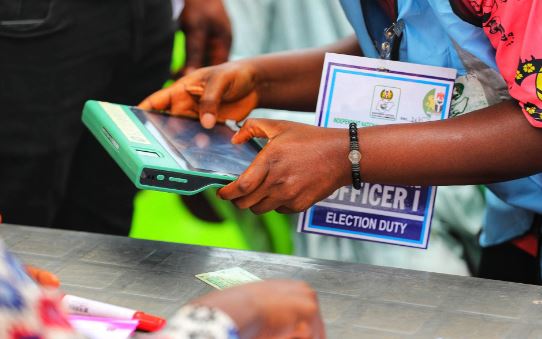
The Independent National Electoral Commission (INEC) of Nigeria is preparing for the upcoming Ondo State governorship election, scheduled for November 16, 2024, by deploying 4,814 Bimodal Voter Accreditation System (BVAS) machines. A senior INEC official disclosed that the commission aims to ensure that the electoral process operates efficiently across 3,933 polling units and 222 collation centres within the state. These centres will consist of 203 ward centres, 18 local government centres, and one state collation centre, reflecting a comprehensive approach to handling the logistics of the election. The deployment of these devices is part of INEC’s broader strategy to enhance electoral transparency and security, thereby increasing voter confidence in the democratic process.
To further streamline the election process, INEC has scheduled a mock voter accreditation exercise for November 6, 2024. This practice run is intended to test the functionality of the BVAS devices and to ensure a seamless electronic result upload to the INEC Result Viewing portal on actual election day. By identifying potential issues ahead of time, the mock exercise aims to mitigate problems that could disrupt the voting process, ultimately contributing toward a transparent and credible electoral outcome.
On June 13, 2024, INEC officially released the final list of candidates for the Ondo State election, revealing that a total of 17 political parties will contest for the governorship position. Notably, the list does not feature any female candidates for the governorship, a point that raises questions about gender representation in Nigerian politics. However, a noteworthy entry comes from the African Democratic Congress, which has nominated a candidate who is a paraplegic. The campaigning phase for the election officially commenced on June 19, 2024, and it is set to conclude by midnight on November 14, 2024, allowing candidates ample time to engage with the electorate.
Political parties have also played a proactive role in the preparation for the election, with a notable submission of 24,148 polling and collation agents to assist in various functions during the election. This organized effort aims to bolster the integrity of the electoral process, ensuring oversight and support across all polling units and collation centres. Such a significant number of designated agents indicates a strong mobilization of party resources in an effort to monitor the electoral process closely and safeguard against any irregularities.
In a related effort to ensure comprehensive coverage of the election, INEC has accredited 112 media organizations, including over 700 journalists, technicians, and support personnel to cover the event. INEC Chairman, Prof. Mahmood Yakubu, emphasized the vital role that the media play in maintaining electoral integrity and countering misinformation. By facilitating accurate reporting, the media can help promote peaceful elections and foster an informed electorate. Yakubu’s call for the media to intensify their role in safeguarding elections underscores the importance of factual coverage during a politically charged atmosphere.
Chris Isiguzo, President of the Nigeria Union of Journalists, echoed this sentiment by underscoring the crucial connection between journalist safety, press freedom, and the health of Nigeria’s democracy. He called for security forces to protect journalists from harassment and intimidation, especially in a climate where such threats are prevalent. Isiguzo’s remarks highlight the need for a safe working environment for media personnel as they cover democratic processes, reminding stakeholders that the suppression of journalism and press freedom undermines the democratic ideals that the elections are designed to uphold.









