





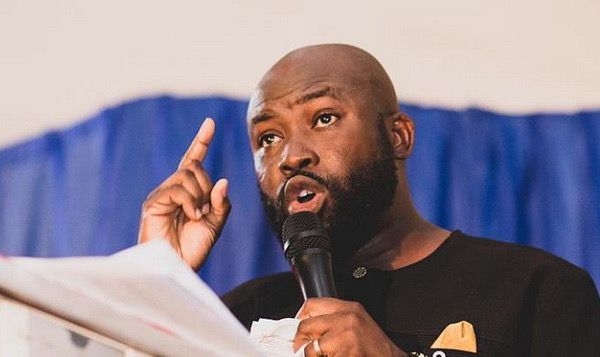
The OneGhana Movement, a civil society organization dedicated to promoting good governance and democratic principles, has issued a strong condemnation of the National Intelligence Bureau (NIB) for its recent arrest of Alfred Ababio Kumi, also known as Adenta Kumi, a member of the New Patriotic Party (NPP). The Movement characterizes the arrest as “heavy-handed” and a disturbing deviation from democratic norms, expressing concern that such actions undermine public trust in state institutions and fuel societal divisions. The incident has reignited the debate over the balance between national security and individual liberties, particularly freedom of speech and expression, within Ghana’s democratic framework. The OneGhana Movement’s statement calls for greater restraint and adherence to due process by the NIB and other state actors to preserve the integrity of democratic accountability.
The arrest of Adenta Kumi stemmed from a petition he submitted to President John Dramani Mahama, requesting the dissolution of a five-member committee tasked with investigating calls for the removal of Chief Justice Gertrude Torkornoo. Kumi’s petition was based on allegations of impropriety against members of the committee, including Justices Pwamang, Adibu-Asiedu, and Yonny Kulendi, whom he claimed to have seen in a video meeting with lawyer Thaddeus Sory at a restaurant after the committee’s inaugural session. He further disseminated these allegations through media interviews and posts on his X (formerly Twitter) account. The NIB subsequently apprehended Kumi, citing false publication as the basis for his arrest. The “Rambo-style” nature of the arrest, as described by eyewitnesses, has further intensified the controversy surrounding the incident.
The OneGhana Movement’s critique extends beyond the specifics of Kumi’s arrest to encompass broader concerns about the potential misuse of false publication laws and their chilling effect on freedom of expression. The organization argues that such laws, if applied indiscriminately and without proper justification, can be weaponized to silence dissent and stifle public discourse. This, they assert, poses a significant threat to democratic accountability, as it discourages citizens from voicing their concerns and holding public officials to account. The Movement, therefore, urges the authorities to exercise caution and restraint in the application of these laws, ensuring they are used only in cases of genuine and demonstrable harm, rather than as a tool to suppress legitimate criticism or political opposition.
The incident involving Adenta Kumi highlights the inherent tension between national security imperatives and the protection of fundamental human rights. While the state has a legitimate interest in maintaining order and preventing the spread of misinformation, it must do so in a manner that respects the rights of individuals to express their views, even if those views are critical of the government or its institutions. The OneGhana Movement argues that heavy-handed tactics, such as the manner of Kumi’s arrest, are not only counterproductive but also erode public trust and confidence in the rule of law. They emphasize the importance of due process and transparency in all state actions, particularly those involving law enforcement and intelligence agencies.
The intervention of Minority Leader in Parliament, Alexander Afenyo-Markin, which led to Kumi’s release later the same day, adds another layer of complexity to the situation. It raises questions about the influence of political considerations in the application of the law and the potential for selective enforcement. The OneGhana Movement’s call for adherence to democratic principles implicitly underscores the need for impartial and consistent application of the law, regardless of an individual’s political affiliation or social standing. The incident serves as a reminder of the importance of a robust and independent judiciary, free from political interference, to safeguard the rights of all citizens.
The OneGhana Movement’s statement serves as a timely reminder of the fragility of democratic institutions and the constant vigilance required to protect them. The organization emphasizes the need for a balanced approach that respects both national security concerns and the fundamental right to freedom of expression. It calls on all stakeholders, including the government, law enforcement agencies, and civil society organizations, to work together to foster an environment conducive to open dialogue and robust public discourse, while upholding the principles of democratic accountability and the rule of law. The incident serves as a valuable case study for examining the challenges and opportunities inherent in balancing security and liberty within a democratic framework. The ongoing debate surrounding the arrest of Adenta Kumi will likely shape future discussions about the application of false publication laws and their impact on freedom of expression in Ghana.








