





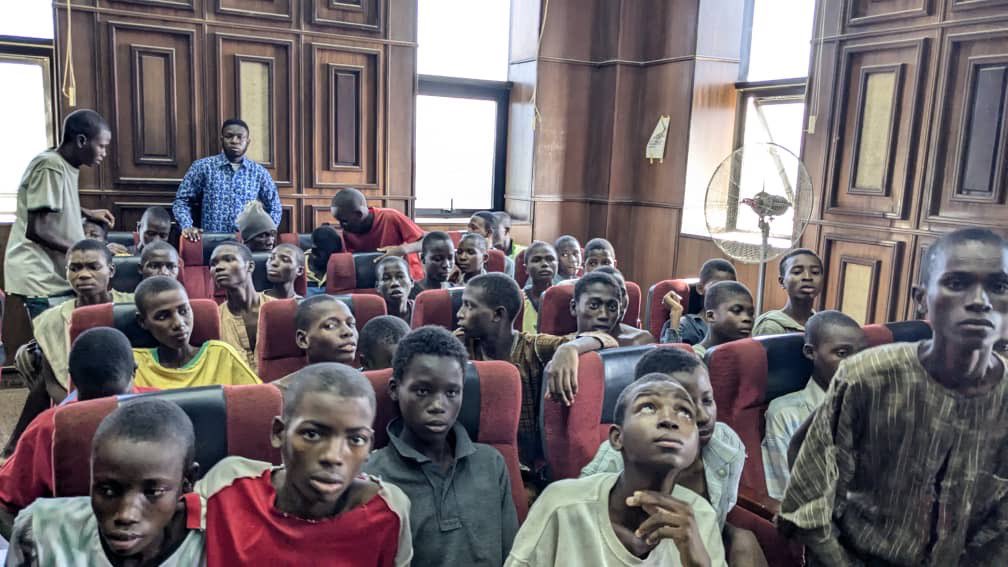
The recent arraignment of 76 suspects, including 32 minors, in Nigeria has sparked widespread outrage and condemnation from civil society groups, rights activists, and public figures following their involvement in the #EndBadGovernance protests held in August. Held at the Federal High Court in Abuja presided over by Justice Obiora Egwuatu, these individuals have been accused of serious charges, including treason and inciting mutiny, after being in detention for three months without trial. The protests, which took place from August 1 to 10, were driven by widespread discontent over economic hardship and poor governance, with demands for a reduction in governance costs, reinstatement of petrol subsidies, food security, and greater fiscal discipline. Some protests turned violent, leading to incidents of looting and vandalism, exacerbating tensions between demonstrators and authorities.
The conditions under which the minors were detained have drawn severe criticism, particularly after disturbing video footage showed them appearing malnourished and unkempt during their courtroom appearance. Reports of four of the minors collapsing during the proceedings highlighted the dire situation they faced. Their defense counsel cited their malnourishment and lack of basic needs, arguing for their immediate release and rehabilitation, while the prosecution denied allegations of mistreatment, asserting that the minors were well cared for in police custody. Ultimately, the court conditionally discharged the sick minors but did not acquit them of charges, marking a complex legal situation filled with tension between the defense and prosecution.
Nigerians have widely condemned the government’s actions as a gross violation of human rights, with civil society organizations emphasizing the need for reform in how the government treats dissenters, especially vulnerable minors. The charges against the defendants, grounded in their participation in a peaceful protest, have been criticized as excessively harsh and inappropriate, particularly under the Child Rights Act, which mandates a different legal approach for minors. Senior Advocates of Nigeria have voiced concerns over the legality of the proceedings, asserting that detaining children with adults and subjecting them to a high court trial was constitutionally and ethically wrong and indicative of the broader issues plaguing the justice system.
Notable figures, including former Vice President Atiku Abubakar and other political leaders, have also spoken out against the charges, highlighting the inhumane treatment of minors in custody. Accusations of treason against children, who are typically seen as innocent and unable to fully comprehend political nuances, have raised significant ethical and legal concerns. It is argued that the charges should be viewed in light of their broader implications for civil rights and freedoms in Nigeria, reflecting a troubling trend of suppressing dissent through fear and intimidation and undermining the basic rights guaranteed under both domestic law and international legal standards.
International bodies and local human rights organizations, including Amnesty International and the Committee for the Defence of Human Rights, have demanded the immediate release of the minors and the cessation of all charges against them. Their statements underline the view that the government’s actions reflect a blatant disregard for human rights and rule of law. The ongoing public outcry encapsulates a growing demand for accountability from authorities, pushing back against governmental overreach and the suppression of free assembly. The argument is made that a government that claims to foster democracy must instead protect the rights of its citizens, particularly those of the most vulnerable groups, like minors.
In conclusion, the alarming treatment of minors involved in protests underscores Nigeria’s ongoing struggle with governance, civil rights, and the treatment of dissent. This contentious situation is not just about the specific allegations against the 76 defendants but also reflects a larger societal issue concerning the state’s attitude toward civic engagement and the protection of fundamental rights. The calls for reform and accountability signal a crucial moment in Nigeria’s political landscape, with advocates stressing the importance of compassionate governance that upholds human dignity and prioritizes justice for all, particularly for those most affected by political turmoil and economic distress. The response of the Nigerian government to these protests and the treatment of these minors will be pivotal in shaping the broader discourse on democratic values and human rights in the country moving forward.








