





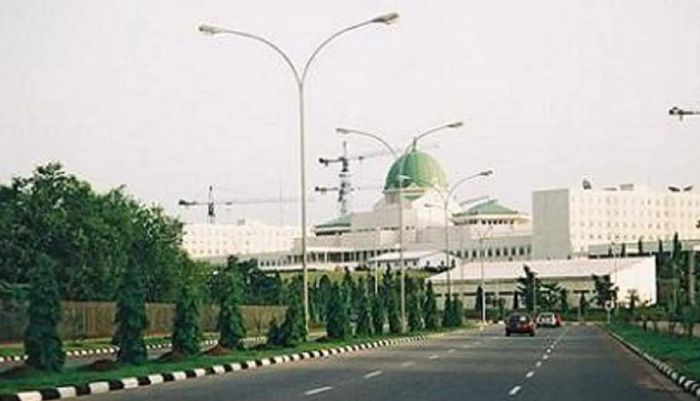
The recent award of a N9.8 billion contract for the rehabilitation of roads and facilities at the Presidential Wing of the Nnamdi Azikiwe International Airport has ignited criticism from various civil society organizations. The Federal Capital Territory Administration (FCTA) awarded the contract to Julius Berger Plc, tasking the contractor to complete the work within six months. Executive Secretary of the Federal Capital Development Authority (FCDA), Shehu Ahmad, detailed that the project involves not only rehabilitating the main link road from Bill Clinton Drive but also improving access to significant facilities, including the presidential kitchen, the hangar for the presidential aircraft, and a holding center for visiting dignitaries.
Ahmad emphasized that the existing road was in a state of dilapidation, necessitating urgent repairs to ensure functionality and safety. He pointed out that the work would also address essential lighting on the runway and improve conditions within the presidential infrastructure, which has shown signs of wear and tear. The announcement marked an effort to enhance governmental facilities but also drew immediate backlash from groups advocating for more prudent fiscal management amidst Nigeria’s economic challenges.
One prominent critic, the Democratic Socialist Movement (DSM), branded the contract as frivolous and indicative of the insensitivity demonstrated by President Bola Tinubu’s administration towards the populace’s struggles. National Secretary Peluola Adewale highlighted that such expenditures contrast sharply with the administration’s rhetoric urging Nigerians to tighten their belts in times of economic difficulties. The DSM argued that the president’s continued indulgence in luxury, such as the significant spending on the vice presidential villa and the procurement of new jets, reflects a disconnect from the harsh realities faced by average Nigerians, who are grappling with poverty and rising living costs.
The criticism further escalated with remarks from the Committee for the Defence of Human Rights (CDHR), which expressed concern over the project’s necessity. Chairman Emmanuel Olowu noted that the government’s priorities seem misaligned, focusing on opulent projects while ignoring the basic needs of citizens who struggle daily to afford food and medication. The CDHR’s stance underscored a growing sentiment among civil society that the ruling government is out of touch with the pressing social issues at hand.
Many observers highlighted this situation as symptomatic of a broader trend within Nigeria’s leadership, where lavish spending on state facilities often overshadows critical investment in public welfare and services. Various factions of the public are increasingly vocal about their discontent with the government’s priorities, particularly in light of the ongoing economic hardships that have intensified since the introduction of policies that many feel disproportionately affect lower-income citizens.
As the discourse unfolds, the juxtaposition of luxury spending in political quarters against the backdrop of widespread poverty serves to galvanize calls for accountability and a reconsideration of the government’s fiscal priorities. The overwhelming sentiment from civil society actors is clear: Nigeria’s leadership must divert attention and resources toward initiatives that genuinely enhance the welfare of its citizens rather than perpetuating a culture of extravagance at a time when so many are in dire need.








