









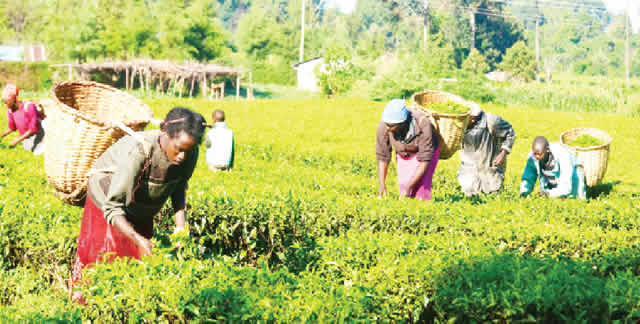
In light of the ongoing economic hardships and food crisis affecting Nigeria, a former lawmaker and an agricultural expert have issued a clarion call for Nigerians to embrace farming as a means to improve their livelihoods. This appeal comes against a backdrop of soaring food prices, persistent availability of food supply, and widespread discontent regarding the effectiveness of the over N1.25 trillion federal budget allocated to the Federal Ministry of Agriculture and Food Security over the past three years. Many farmers have voiced their frustrations, arguing that the current economic realities do not reflect the large sums purportedly invested in the agricultural sector. A significant culprit pointed to by these farmers is the devaluation of the naira, which has further exacerbated the affordability of food across the nation and has made it imperative for citizens to seek alternative sources of sustenance.
Agropreneur Timothy Ayodele emphasized that exploring the agricultural sector could be a transformative solution to Nigeria’s stagnant economy. He advocated for a grassroots approach, recommending that individuals initiate personal agricultural projects, partake in local farming initiatives, or invest time in understanding sustainable farming practices. Ayodele posited that agriculture offers a path to self-sufficiency and financial stability for Nigerians in these challenging times. He also mentioned that investing in local farming and community-supported agriculture not only ensures access to fresh produce but also stimulates job creation and bolsters economic resilience in the face of financial adversity. His core message was a call to action for Nigerians who often look to government assistance without exploring their capabilities in agricultural engagement.
In addition to Ayodele’s insights, former deputy chief whip of the Osun State House of Assembly, Abidemi Ogunkanmi, echoed similar sentiments, particularly emphasizing the potential benefits of farming for Nigeria’s youth. He characterized farming as a sustainable means to counter the economic challenges that many citizens face, particularly the ongoing inflation affecting food prices. Ogunkanmi underscored the idea that cultivating personal agricultural initiatives is essential for individuals and families to mitigate these rising costs. He articulated that widespread adoption of farming could offer a pathway to economic recovery and growth for the nation as a whole.
Ogunkanmi made his remarks during the Students’ Parliamentary Summit organized by the Students’ Representative Council within the Federation of Ayedire Students’ Union. His address aimed to inspire and mobilize young people to consider agricultural pursuits as not only viable for personal empowerment but also pivotal in contributing to national development. The former lawmaker specifically highlighted that the youth possess the energy and innovation required to transform the agricultural landscape and address the pressing issues of food security and economic instability.
Both Ayodele and Ogunkanmi have illustrated that agriculture can serve as a viable alternative to the systemic challenges posed by economic instability and high living costs. They argue for a shift in mindset toward self-reliance, suggesting that through collaboration and community initiatives, Nigerians can foster an environment conducive to economic prosperity through agricultural innovation. They stress the need for comprehensive strategies from the government to enable young people to engage with agriculture effectively, including investments in key infrastructure and support programs that would empower aspiring farmers to thrive in their endeavors.
In conclusion, the urgent appeal from these advocates for agriculture signals a critical turning point for Nigerian citizens facing economic adversities. Rather than continuing to rely solely on government intervention or external aid, the focus must shift toward harnessing the potential of local farming initiatives. This proactive stance on agriculture not only promises to alleviate current hardships by providing more affordable food options but also positions the nation towards a more sustainable and resilient economic future. Therefore, instigating a cultural shift that embraces farming will be essential for Nigerians to regain control over their food security and overall economic wellbeing.









