









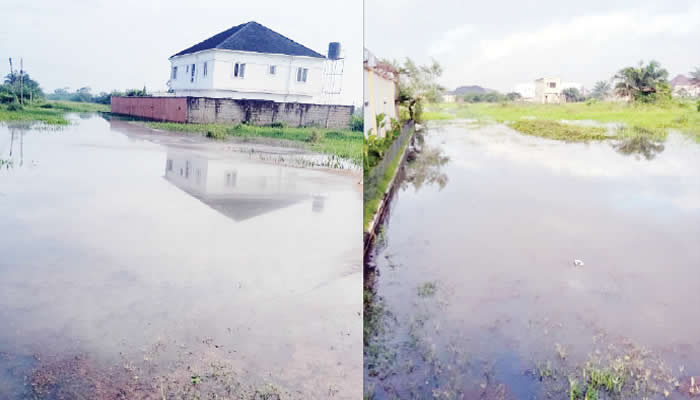
The Ogun State Government has issued a stern warning to residents in flood-prone areas about the dangers of rejecting evacuation orders. This advisory comes in light of recent flooding caused by the release of excess water from the Oyan Dam, which has significantly affected numerous communities including Isheri, Riverview Estate, Oshorun Estate, and several others. The state officials, particularly the Commissioner for Environment, Ola Oresanya, emphasized the urgency of relocation, indicating that such advisories had been communicated four months prior. The government’s proactive stance aims to protect residents from the inevitable dangers of flooding, which poses serious risks to their safety and well-being.
The flooding issues have been attributed to both the low-lying nature of the affected areas and increased tidal fluctuations, which have exacerbated the situation. The release of water from the Oyan Dam is a direct response from the Ogun-Osun River Basin Development Authority to manage and mitigate flood risks. Despite the clarity of the threats posed by flooding, some residents displayed a sense of defiance, choosing to remain in the inundated areas while demanding that the government implement more permanent solutions to the flood crisis. This reflects a broader sentiment among affected individuals who feel that their grievances have not been adequately addressed.
Oresanya’s communication reveals the government’s dual approach of encouraging voluntary relocation while being prepared to enforce evacuation when necessary. It is recognized that some residents may attempt to leverage their predicament for financial assistance or support, a form of blackmail that the government is keen to counter. The state’s commitment to preserve life and prevent unnecessary suffering indicates a clear priority in the face of natural disasters. Furthermore, the acknowledgment of vulnerable populations underlines the government’s responsibility to act with compassion and ensure the safety of all residents.
Local responses to the evacuation orders reveal a complex relationship between the government and the communities in question. While many individuals express a reluctance to leave their homes, their resistance underscores deeper systemic issues, including a lack of trust in governmental action. Some residents perceive staying in the flood-affected areas as a means to draw attention to their plight, illustrating a disconnect between government initiatives and community needs. The government’s insistence on evacuation and its strategies to enforce compliance signal a broader understanding of disaster management that prioritizes immediate safety over longer-term community sentiments.
As the government navigates this challenging situation, it faces the difficult task of balancing urgent public safety measures with the socio-economic realities of affected residents. Evacuating people from their homes is never a simple decision; it necessitates thoughtful planning, clear communication, and sustained engagement with the communities involved. Furthermore, the need for sustainable solutions to prevent future flooding challenges underscores the urgency for the Ogun State Government to not only act as an emergency responder but also as a long-term planner for flood risk management.
Ultimately, the current flooding crisis within Ogun State serves as a clarion call for systemic change and improved infrastructure to address the underlying issues contributing to such natural disasters. The conversation surrounding the evacuation order, while crucial, points to a larger narrative about community resilience and governmental accountability. Moving forward, it is essential for the state to foster collaboration with residents to rebuild trust and implement effective flood mitigation strategies, ensuring that communities are better prepared for potential future disasters.









