





Nigeria’s Tax Reform Saga: A Deep Dive into Consultations, Controversies, and the Quest for Equitable Taxation
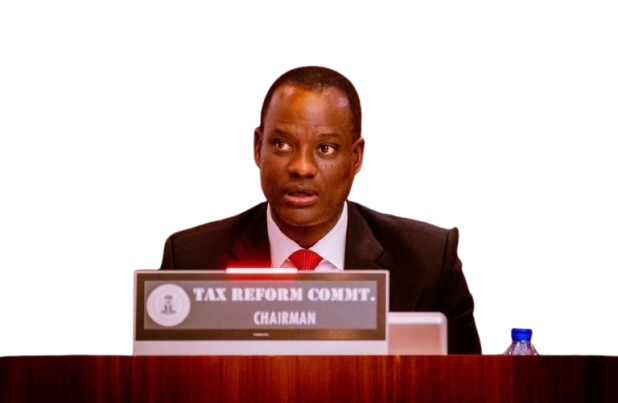
Nigeria, a nation grappling with economic complexities and developmental aspirations, has embarked on a journey of tax reform. At the helm of this transformative endeavor is the Presidential Committee on Fiscal Policy and Tax Reforms, chaired by Taiwo Oyedele. The committee’s mandate is to overhaul the existing tax system, aiming to create a more efficient, equitable, and sustainable framework for revenue generation. However, the path to reform has been fraught with challenges, marked by controversies and disagreements, particularly with some northern governors.
Central to the ongoing debate is the issue of stakeholder consultations. Oyedele, in an effort to dispel accusations of inadequate engagement, has emphatically asserted that the committee has undertaken extensive consultations with various stakeholders across the country. These engagements have included representatives from over 20 government institutions, private sector players ranging from manufacturers to women in business, and even students from 22 universities nationwide. This broad spectrum of engagement aims to ensure that the reforms are informed by a diverse range of perspectives and address the concerns of various sectors of society.
However, the crux of the contention lies in the alleged lack of sufficient consultation with state governors, particularly those from the northern region. Oyedele countered these claims, revealing that the committee had planned meetings with the governors’ forums, which were unfortunately cancelled on four separate occasions. While acknowledging the difficulty in securing meetings with all governors, Oyedele highlighted the meeting with the Lagos State Governor and the ongoing efforts to engage with other governors across the six geopolitical zones. This underscores the committee’s commitment to inclusivity, despite the logistical hurdles.
Beyond the governors, the committee has also engaged with a wide array of groups, including religious leaders, specifically Muslim clerics, and political organizations such as the League of Northern Democrats. Oyedele recounted a particularly insightful meeting with over 120 Muslim clerics (Ulamas), where the committee meticulously explained the nuances of the proposed reforms. This engagement was crucial in addressing misinformation and clarifying the intended impact of the changes, resulting in many clerics expressing support for the committee’s work. These dialogues illustrate the importance of addressing concerns and building consensus across diverse segments of society.
The proposed reforms, particularly the Value Added Tax (VAT) bill, have become a focal point of disagreement. Some northern governors have voiced concerns that the proposed changes would negatively impact their states’ revenue. This opposition highlights the intricate interplay of fiscal federalism and the need for a balanced approach that addresses both national and regional economic interests. Oyedele, however, emphasized the importance of viewing the reforms holistically, urging stakeholders to consider the comprehensive benefits of a more equitable and efficient tax system for the overall development of the country.
Oyedele further addressed the criticisms leveled against specific sections of the proposed legislation. He questioned the logic of withdrawing four transformative bills solely due to disagreements over one or two sections. He advocated for a more constructive approach, suggesting that the contentious points be thoroughly discussed and presented to lawmakers for deliberation and resolution. This approach underscores the importance of dialogue, compromise, and a collaborative effort in shaping the final outcome of the reforms.
Adding another layer to the narrative, Buba Galadima, a prominent northern politician, countered Oyedele’s claims, asserting that the proposed bills disproportionately favor Ogun and Lagos states. Galadima reiterated the allegation of inadequate consultation, claiming that the committee had only met with the governor of Lagos State. He further alleged internal dissent within the committee, suggesting that some members were disowning the report, claiming they were not adequately involved in the decision-making process. These counter-narratives highlight the complexities and differing perspectives surrounding the tax reform process.
The ongoing debate surrounding Nigeria’s tax reforms underscores the need for transparent and inclusive processes. While the committee maintains its stance of extensive consultations, the opposition from certain quarters indicates a need for further engagement and dialogue. The path to a more equitable and efficient tax system requires navigating these complexities and building consensus among diverse stakeholders. The success of the reforms hinges on the ability to address concerns, bridge divides, and ultimately create a system that benefits all Nigerians and drives sustainable economic growth.








