





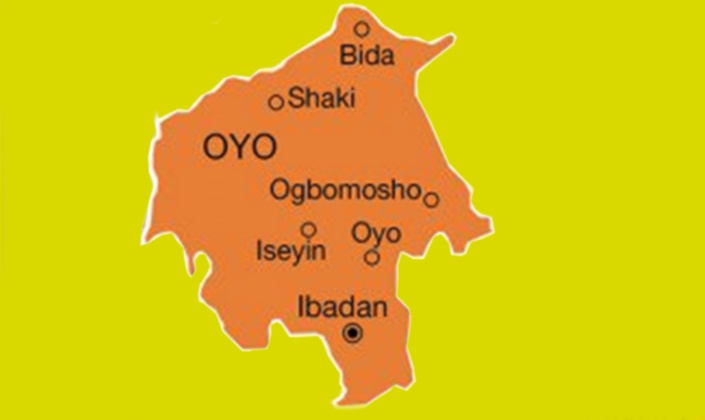
The Oyo State Government recently issued a stern warning to business owners and residents regarding the importance of fulfilling their tax obligations. During a statement made by Olufemi Awakan, the Executive Chairman of the state Board of Internal Revenue, it was emphasized that tax payment is not merely optional but mandatory, in accordance with Section 24 of the Constitution. The government is concerned about individuals and businesses that attempt to evade taxes, suggesting that legal actions may be pursued against those who fail to comply.
Awakan underscored that all citizens earning income through various means—be it trade, business, profession, vocation, or employment—are required to pay the correct amount of taxes. This obligation is not a punishment, he explained, but a necessary contribution by citizens to support government functions and public services. He stressed that taxes play a vital role in funding societal needs, thereby fostering a sense of civic duty among residents and business owners alike.
To outline the legal framework that governs tax obligations, Awakan referenced several key laws, including the Federal Inland Revenue Act and the Personal Income Tax Act (2011), among various state tax regulations. He made it clear that ignorance of these laws will not excuse individuals or businesses from their responsibilities. In cases of serious tax evasion, offenders could face criminal charges, leading to legal repercussions such as imprisonment or significant fines. The authorities reserve the right to assess taxes for those who neglect to file returns or remit payments.
Further, the consequences of non-compliance can also extend beyond legal penalties. Failure to meet tax obligations may hinder businesses from renewing essential licenses or permits required for their operations. The tax authorities have the capability to initiate legal proceedings to recover unpaid taxes, which could involve court actions. In addition to the financial liabilities, businesses run the risk of suffering reputational damage, which could adversely affect their relationships with clients, customers, and potential business partners.
Awakan’s message serves as a reminder of the broader implications surrounding tax compliance. Citizens are not only encouraged to fulfill their obligations promptly but are also warned about the interconnectedness between tax compliance and the overall socioeconomic health of the community. By fulfilling their tax obligations, individuals and businesses contribute to the development and maintenance of public infrastructure and services that benefit everyone.
In conclusion, the Oyo State Government, through Awakan’s remarks, highlights the critical nature of tax compliance and the potential consequences of evasive behaviors. The government urges citizens to understand that paying taxes is a communal responsibility that helps sustain local development. The campaign against tax evasion reflects a commitment to promoting accountability and ensuring that both businesses and individuals play their part in sustaining the economy and enhancing societal welfare.








