





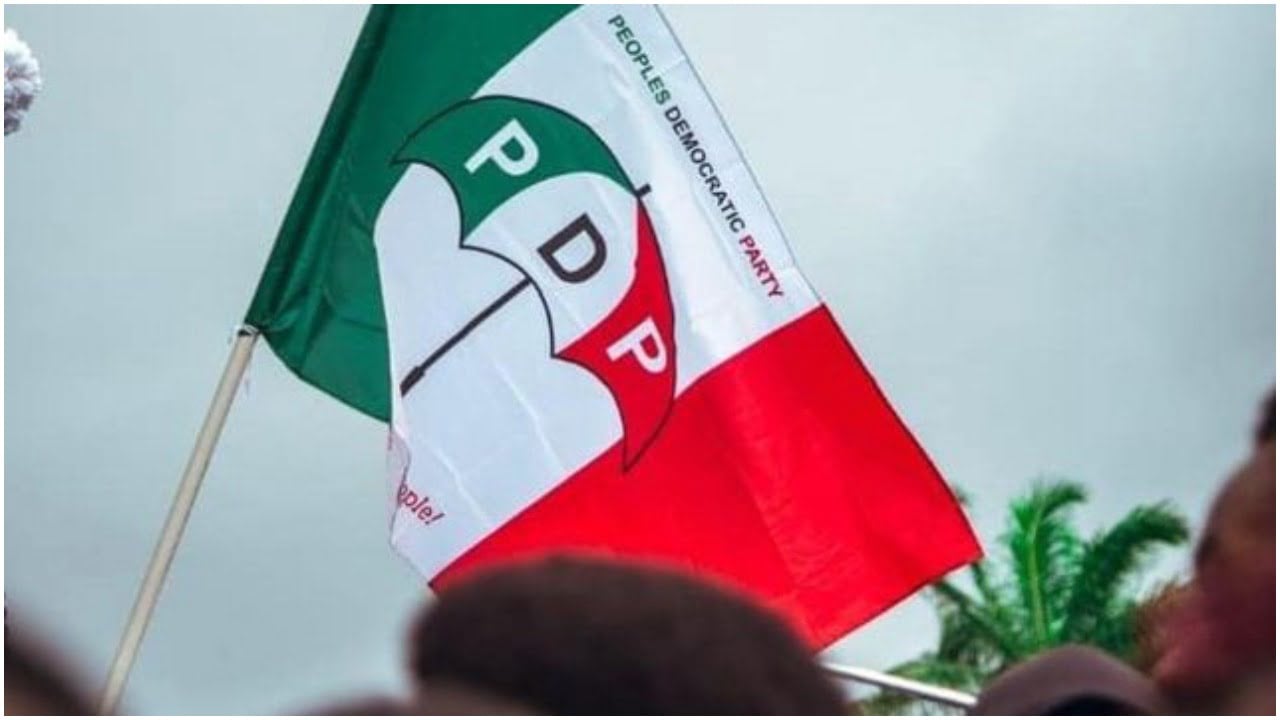
The political landscape in Lagos State is heating up as the local government elections draw near. The Peoples Democratic Party (PDP) has expressed confidence in its ability to win the upcoming polls, but simultaneously accuses the ruling All Progressives Congress (APC) of a history of manipulating election results. This preemptive claim of potential rigging sets the stage for a potentially contentious election cycle, with the PDP seemingly preparing to contest the legitimacy of the results should they not favor the party. The PDP’s assertion raises concerns about the transparency and fairness of the electoral process in Lagos State, potentially undermining public trust in the democratic system.
The PDP’s deputy chairman, Tai Benedict, highlighted the perceived influence of President Bola Tinubu on election outcomes in Lagos State, drawing parallels with previous elections in Edo and Ondo states. This assertion suggests the PDP believes external forces may play a significant role in determining the results of the local government elections, further fueling suspicions of potential manipulation. While acknowledging the perceived challenges, Benedict maintained that the PDP will actively participate in the election, expressing confidence in their potential victory. However, he qualified this by stating that the actual release of the results remains in the hands of those in power, implying a lack of faith in the impartiality of the electoral bodies.
Benedict also hinted at the possibility of the PDP merging with other parties to challenge the APC’s dominance in Lagos State. This suggests a recognition within the PDP of the need for a united opposition front to effectively compete against the ruling party. Such a merger, if realized, could significantly alter the political dynamics in Lagos State and potentially create a more competitive electoral environment. The success of any such alliance, however, would depend on the ability of the different parties to overcome their ideological differences and present a cohesive platform to the electorate.
In response to the PDP’s allegations, the APC dismissed their claims, arguing that the PDP lacks credibility and only becomes active during election periods. The APC’s publicity secretary, Seye Oladejo, accused the PDP of focusing primarily on the distribution of election funds, suggesting that the party’s motivation is driven by financial gain rather than genuine public service. This counters the PDP’s narrative of being a viable alternative to the ruling party and attempts to portray them as opportunistic and lacking in genuine commitment to the electorate. Such accusations, if left unaddressed, could further erode public trust in the PDP and reinforce the APC’s position as the dominant political force in Lagos State.
Oladejo further emphasized the APC’s resounding victory in the last national elections, attributing it to the party’s competence and political acumen. He contrasted this with the PDP’s repeated claims of being rigged out of victory, arguing that such claims are indicative of the party’s inherent weaknesses and inability to effectively lead. This serves as a direct rebuttal to the PDP’s allegations of electoral manipulation and attempts to frame the APC as the deserving victor based on their superior performance and leadership. The APC’s response effectively shifts the narrative from accusations of rigging to a comparison of the two parties’ capabilities and performance, aiming to solidify public perception of the APC as the more competent and effective governing party.
The upcoming local government elections in Lagos State promise to be a closely watched affair, with the PDP’s preemptive accusations of potential rigging setting the stage for a potentially contentious period. The APC’s dismissive response further intensifies the political rivalry and underscores the deep divisions between the two parties. The outcome of these elections will not only determine the local government leadership but also potentially serve as a barometer for the broader political landscape in Lagos State, influencing the dynamics of future elections and shaping the trajectory of the state’s political future. The electorate’s response to these competing narratives and their ultimate decision at the polls will be crucial in determining the future political direction of Lagos State.








