





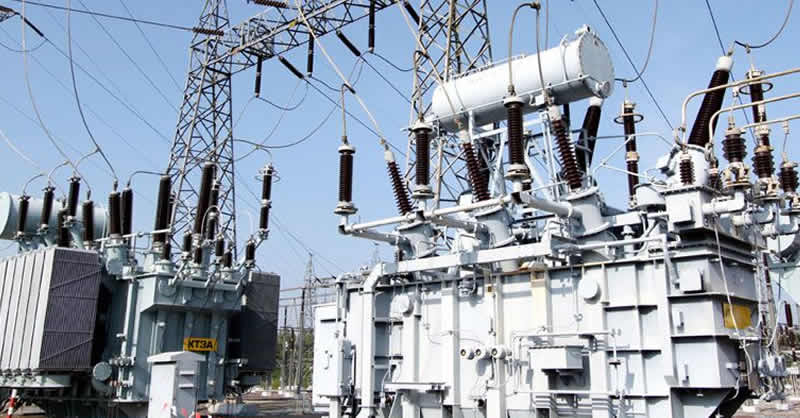
In a recent interview, Dr. Elijah Adakole, the Head of Corporate Communications at Jos Electricity Distribution Company (JEDC), highlighted the severe impact of the recurrent collapse of the national power grid on the financial viability of Distribution Companies. Adakole emphasized that the instability of the power grid directly correlates with revenue generation, particularly for JEDC, where many customers utilize a pre-paid metering system. This payment method necessitates that consumers pay only for the actual energy they consume, meaning that when power outages occur due to grid failures, the company suffers zero revenue. This systemic issue results in significant financial losses for the Distribution Company, necessitating urgent attention.
The implications of the national power grid’s frequent failures extend beyond individual companies such as JEDC; they also pose a broader threat to the Nigerian economy as a whole. According to Dr. Adakole, many businesses, regardless of their size, rely heavily on a stable electricity supply to function effectively. The cascading effects of power outages disrupt operations at both macro and microeconomic levels, hindering productivity and economic growth. Consequently, he urged the Federal Government to implement sustainable solutions that address this pervasive problem, thereby ensuring a steady power supply for all sectors of the economy.
Concerns regarding the repercussions of power grid failures were echoed by civil society activist Mr. Steve Aluko. He emphasized the pressing nature of the situation and its dire impact on the overall economic landscape and the daily lives of Nigerian citizens. Aluko’s remarks bring to light the dependence of numerous sectors on consistent electricity, pointing to the broader societal consequences that result from unstable power supply. His comments reflect a growing acknowledgment within civil society that addressing power supply issues is critical for national development and social well-being.
The adverse effects of power outages are further illustrated by personal testimonials from locals like Mr. Samson Benson, a welder struggling to maintain his business in the face of recurrent electricity failures. Benson lamented that his inability to complete work on time due to inconsistent power supply threatens his profitability and client relationships. He revealed that much of his potential earnings is instead consumed by the costs of diesel for running generators, illustrating the heavy financial burden placed on businesses reliant on electricity. These challenges have heightened his sense of urgency for the government to find lasting solutions to the power crises, reinforcing the notion that numerous livelihoods are at stake due to the ongoing energy woes.
Similarly, Mrs. Alice Dung, who operates a salon, disclosed how sporadic electricity supply negatively affects her ability to serve her clients. The lack of power restricts her from providing the full range of services that her customers expect, damaging her business reputation and profitability. Her experience underscores how even small-scale businesses are not exempt from the challenges posed by electricity shortages. Dung’s appeal to the government reflects a collective desire among business owners for effective interventions that can stabilize the power supply, highlighting the importance of electricity in enhancing service delivery in sectors dependent on it.
In summary, the continuous collapse of the national power grid not only hampers revenue generation for electric distribution companies like JEDC but also cripples various sectors reliant on stable electricity for their operations. With significant economic repercussions and personal hardships faced by individuals and businesses alike, there is a pressing need for comprehensive governmental action to implement effective and long-term solutions. The consensus among stakeholders, including corporate leaders and civil society members, is that addressing the underlying issues related to power supply is vital for fostering business growth and overall economic stability in Nigeria.








