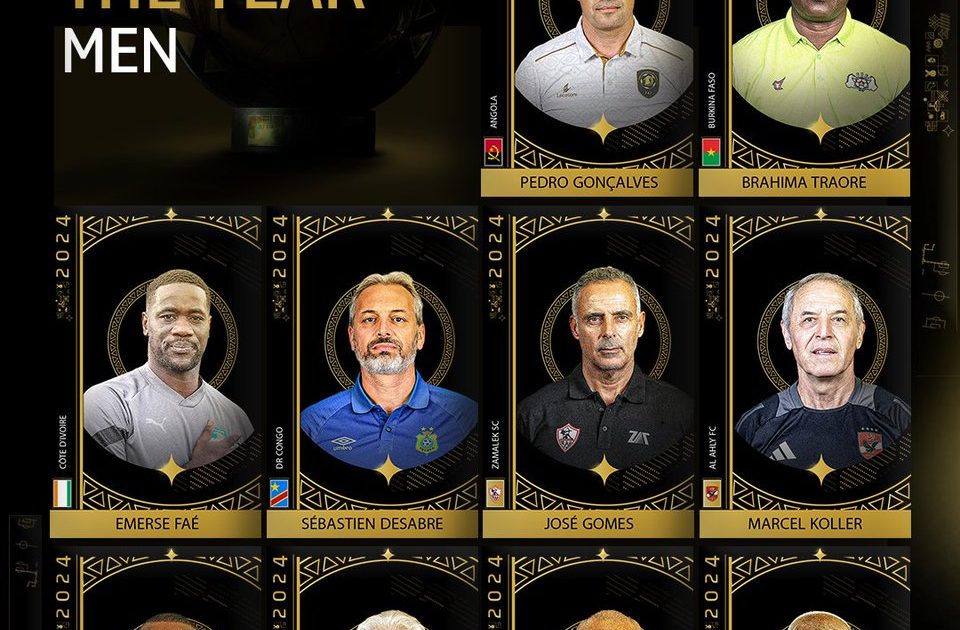
Jose Peseiro, the coach who led Nigeria to a silver medal finish in the AFCON 2023 tournament, has been notably excluded from the Confederation of African Football’s (CAF) Coach of the Year shortlist for 2024. This decision has stirred considerable discussion within the football community, especially given Peseiro’s significant achievement with the Nigerian national team, showcasing his coaching capabilities on one of the continent’s largest stages. The CAF’s announcement, made via a post on X, has drawn attention to the players nominated, who include a variety of respected figures in African football.
The ten-man shortlist features coaches from across diverse national teams and clubs, illustrating the range of talent and tactical acumen present in African football. Among the nominees are Pedro Goncalves from Angola and Brahima Traore from Burkina Faso, both of whom have made their mark in the footballing world. This year’s list highlights the achievements of several prominent coaches, emphasizing their contributions to the sport within their respective nations and clubs. Additionally, Emerse Fae from Ivory Coast stands out for his impactful presence in African football this year, enhancing the competitiveness and visibility of the nomination process.
Further diversifying the list, other notable figures include Sebastien Desabre from DR Congo, and Egyptian coaches Jose Gomes and Marcel Koller, each recognized for their coaching prowess. The selection features Chiquinho Conde from Mozambique, Hugo Broos from South Africa, Florent Ibenge from Equatorial Guinea, and Kwesi Appiah from Sudan, creating a comprehensive representation of the coaching talent across different regions of Africa. This diverse roster not only highlights individual successes but also illustrates the varied tactical approaches embraced by these coaches, reflecting the evolving landscape of African football.
The diverse representation on the shortlist also mirrors the widespread geographical talents found within the continent, ensuring that coaches from various regions have their achievements recognized. This inclusivity demonstrates CAF’s acknowledgment of both regional distinctions and the universal principles of coaching excellence. By spanning several countries and varying coaching styles, the list emphasizes a cohesive recognition of efforts in advancing African football on both team and individual levels.
However, Jose Peseiro’s omission from the shortlist has become a prominent topic of discussion among fans, analysts, and stakeholders in the sport. Many argue that leading Nigeria to an AFCON final should have secured him a nomination, as it illustrates his capability to perform at a high level on a continental stage. This exclusion raises questions about the selection criteria used by CAF and whether the accomplishments at the African Cup of Nations are adequately valued when considering recognition for coaching excellence.
In conclusion, while the current shortlist showcases a broad array of talent in African football coaching, the absence of Peseiro underlines a conspicuous gap in acknowledging his contributions to the sport. As debates continue regarding the criteria for such nominations, Peseiro’s notable achievements with Nigeria’s national team remain a crucial talking point. The discussion reflects broader themes about recognition in sports, raising the profile of coaching roles and paving the way for deeper evaluations of excellence in the sport across the continent.