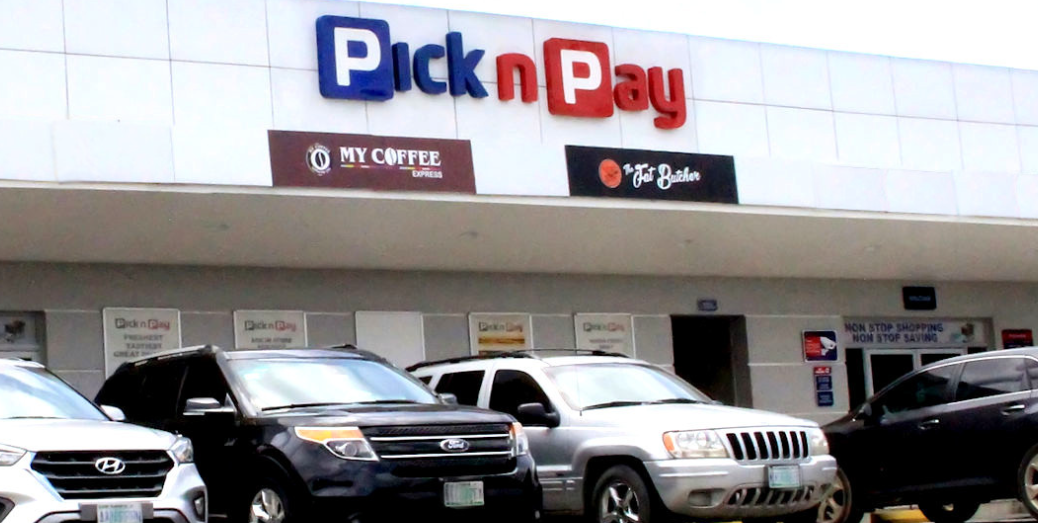
South African retailer Pick n Pay has recently announced its decision to exit the Nigerian market by selling its 51 percent stake in a joint venture. This move is part of a broader strategy to restructure operations outside of its home base in South Africa. According to CEO Sean Summers, the decision aligns with emerging trends among South African companies adjusting their international strategies, particularly in the volatile landscape of Nigeria’s retail sector. This exit from Nigeria marks another significant retreat from a market that has often posed challenges for foreign retailers seeking to establish a stable presence.
Pick n Pay originally set foot in Nigeria in 2016 by partnering with A.G. Leventis, with the hopes of tapping into what was perceived as a lucrative market with vast potential. The company opened two stores in 2021, believing it could fill a gap in Nigeria’s underserved grocery retail scene. However, economic turbulence, including currency fluctuations, regulatory hurdles, and other operational challenges appeared to stifle the anticipated growth and profitability. Despite the initial optimism and potential for success, it seems that the harsh realities of the Nigerian market have led to disillusionment.
Even though Pick n Pay’s executives previously expressed confidence in Nigeria’s long-term growth potential, circumstances have drastically changed. David North, the company’s Group Executive for Strategy and Corporate Affairs, highlighted the unique approach Pick n Pay intended to adopt by focusing on smaller neighborhood stores rather than large flagship outlets. This strategy aimed to leverage local partner A.G. Leventis’ knowledge of the regulatory and business landscape in Nigeria. Yet, this tailored approach has not been enough to overcome the numerous challenges that have arisen in the operational environment.
The situation in Nigeria extends beyond Pick n Pay, as various multinational corporations have also faced significant difficulties. Factors such as currency instability, rising costs of operation, high import duties, and regulatory obstacles have prompted many companies, including prominent names like Microsoft and GlaxoSmithKline, to reduce their investments or exit the market altogether. This trend of multinational withdrawal highlights the broader economic climate affecting Nigeria, where the business environment remains increasingly problematic for foreign entities.
In addition to Pick n Pay, other South African retailers, such as Woolworths and Truworths, have also attempted to penetrate the Nigerian market only to retreat due to similar economic pressures. These companies exemplify a growing trend where international retailers recognize the risks associated with investing in Nigeria, often leading them to reconsider their strategies or abandon the market. The situation has unfolded amidst a backdrop of economic uncertainty that has continually deterred foreign investment and business operations in Nigeria.
In conclusion, Pick n Pay’s exit from Nigeria encapsulates the broader struggles faced by South African retailers and multinationals in adapting to the challenges of operating within the West African market. Economic factors have played a significant role in driving foreign companies away, as illustrated by the experiences of multiple firms looking to find profitability in a diverse consumer market. This consistent trend of withdrawal underscores the complexities of navigating the Nigerian business environment, prompting continued examinations of strategies for successful international operations.