





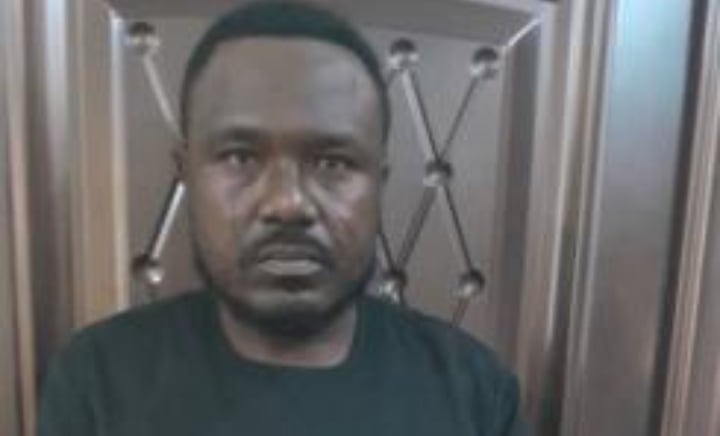
The recent clash between supporters of the National Democratic Congress (NDC) and the New Patriotic Party (NPP) in Mamobi, Accra, has led to significant unrest and the arrest of a key suspect, Fatawu Ibrahim, popularly known as Fatau Motorway. This incident occurred during a political campaign walk, a time that is typically marked by heightened emotions and rivalries between political factions. The disturbances resulted in two individuals suffering gunshot wounds, and four others sustained various injuries, underscoring the severity of the confrontation. The situation prompted urgent police action to restore order and investigate the causes of the violence.
In response to the escalating tensions, the police launched a search for Fatau Motorway after he was captured on video brandishing a firearm during the altercation. The urgency of his apprehension was emphasized by the police through a public appeal, offering a substantial GH¢20,000 reward for credible information leading to his capture. This incentivized community involvement, highlighting a significant partnership between law enforcement and citizens to quell violence and ensure accountability. The violent episodes reflect not only the fraught political landscape in Ghana but also the crucial role of community vigilance in resolving conflicts.
The police’s search culminated in the successful arrest of Fatau Motorway after thorough investigative efforts, with public cooperation playing a vital role in the apprehension. This prompt action by law enforcement illustrates the importance of rapid response mechanisms in dealing with politically charged violence. Following his arrest, Fatau was placed in police custody, and authorities announced intentions to forward the case for prosecution. This progression underscores the commitment of the legal system to address and rectify acts of violence that disrupt public safety and peace.
Fatau Motorway is now facing legal proceedings that will follow due process in a court of law, with the Office of the Attorney General tasked with overseeing the prosecution. This aspect of the case is particularly notable, as it underscores the judicial system’s role in handling politically motivated violence and delivering justice for victims. The involvement of the Attorney General signifies the gravity of the offenses committed during the Mamobi clashes, and it raises awareness about the potential legal consequences of political violence and intimidation in Ghanaian society.
As the incident has unfolded, it has become apparent that such confrontations are detrimental to the political fabric of the nation, exacerbating divisions between rival party supporters. The tensions between the NDC and NPP are emblematic of broader issues within Ghana’s political sphere, where rivalries often lead to aggression rather than constructive dialogue. This environment poses challenges to the promotion of peaceful political engagement and highlights the necessity for all stakeholders to advocate for nonviolent communication and conflict resolution within the electoral process.
In conclusion, the Mamobi clashes have served as a stark reminder of the volatility that can accompany political activities in Ghana. The arrest of Fatau Motorway and the responsive actions taken by law enforcement agencies reflect ongoing efforts to manage political violence and maintain public safety. As the legal proceedings unfold, they will not only determine the fate of the individuals involved but will also serve as a precedent in the fight against political violence. For Ghana to foster a more stable democratic environment, an emphasis on peaceful political discourse and community engagement is essential in mitigating potential conflicts that arise within its dynamic political landscape.








