





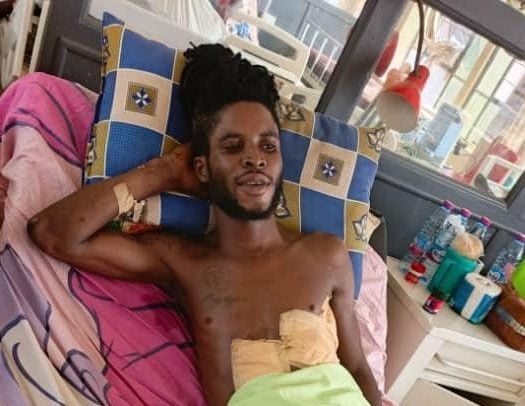
The Ghana Police Service has initiated an investigation into the escape of a murder suspect, Evans Coffie, alias “Vampire,” from the Komfo Anokye Teaching Hospital (KATH) in Kumasi. Coffie, who had sustained gunshot wounds during a previous attempt to evade arrest, was under armed guard at the hospital while receiving treatment. A General Lance Corporal, assigned to guard Coffie for the week ending February 15, 2025, reported the escape to his Station Officer, claiming that Coffie had vanished from his bed while the officer was briefly away retrieving medication from the hospital pharmacy. The Police Service has given the Lance Corporal a ten-day ultimatum to locate and apprehend the escaped suspect. This incident raises serious concerns about security protocols and the circumstances surrounding the escape, prompting a deeper examination of the events leading up to Coffie’s disappearance.
The escape of a dangerous criminal like Coffie, particularly from a secure hospital setting, poses a significant threat to public safety. Coffie’s alias, “Vampire,” suggests a history of violence, further amplifying the urgency of his recapture. The fact that he was wounded during a previous escape attempt indicates a propensity for desperate measures, making him a potentially dangerous individual at large. The Police Service’s decision to give the Lance Corporal ten days to produce the suspect underscores the gravity of the situation and the pressure on law enforcement to swiftly resolve the matter and ensure the safety of the public. This timeline also suggests a level of suspicion regarding the Lance Corporal’s account of the escape, necessitating a thorough investigation into his potential role in the incident.
The circumstances surrounding Coffie’s escape demand a comprehensive inquiry into potential security breaches and procedural lapses. The Lance Corporal’s explanation that he left his post to retrieve medication raises questions about established protocols for guarding high-risk individuals. Was he authorized to leave the suspect unattended, even briefly? Were there any backup security measures in place? Were there any other personnel involved in Coffie’s security detail, and if so, what were their roles and responsibilities during the incident? The investigation must also examine the layout of the hospital ward, access points, and any potential vulnerabilities that Coffie might have exploited to facilitate his escape.
Beyond the immediate circumstances of the escape, the investigation should also delve into the broader context of Coffie’s arrest, his alleged crimes, and the circumstances leading to his hospitalization. Understanding the nature of the charges against him, his criminal history, and any potential accomplices or network of support he might have can provide valuable insights into his possible motives, escape plan, and likely whereabouts. This broader perspective can aid law enforcement in their efforts to track him down and bring him back into custody. This comprehensive approach is crucial not only for apprehending Coffie but also for identifying and addressing any systemic weaknesses within the police service that may have contributed to his escape.
The incident also highlights the challenges faced by law enforcement in balancing the need to provide medical care to suspects with the imperative of ensuring public safety. While detainees have a right to receive necessary medical treatment, their status as accused criminals necessitates appropriate security measures to prevent escape. This delicate balance requires careful planning, rigorous protocols, and well-trained personnel. The escape of Coffie serves as a stark reminder of the potential consequences of lapses in security and underscores the importance of continuous review and improvement of procedures for guarding detainees in medical facilities. This review should encompass aspects like staffing levels, training protocols, security equipment, and inter-agency communication.
The ten-day deadline given to the Lance Corporal adds another layer of complexity to the situation. While it provides an incentive for him to cooperate fully with the investigation and actively participate in the search for Coffie, it also raises questions about the potential implications for him if he fails to produce the suspect. Will he face disciplinary action, criminal charges, or both? This deadline also adds pressure to the investigative process, demanding swift and efficient action from the Police Service. Ultimately, the successful apprehension of Coffie and a thorough investigation into the circumstances of his escape are crucial for maintaining public trust in the Ghana Police Service and ensuring the safety and security of the community. Furthermore, this incident should serve as a catalyst for a comprehensive review and strengthening of security protocols for guarding detainees in medical settings, minimizing the risk of similar incidents occurring in the future.








