









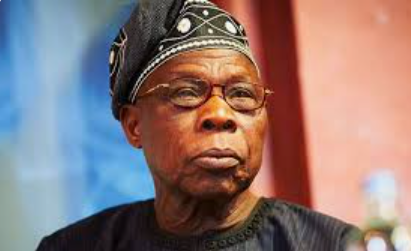
Former President Olusegun Obasanjo has underscored the critical issues of policy continuity and lack of sustained developmental efforts as significant obstacles to food security and overall economic advancement in Africa. During the unveiling of Okun Rice in Abeokuta, Ogun State, he articulated that Nigeria’s hunger crisis could have been mitigated if a consistent approach to agricultural development had been maintained over the years. Obasanjo lamented that the absence of a culture of continuity among successive governments has led to detrimental consequences for food production and agriculture as a whole, inhibiting Nigeria’s potential in these sectors.
Obasanjo pointed out that the failure to continue successful policies results in repeated initiatives that often ignore valuable lessons from the past. He expressed frustration at the tendency of government officials to announce new programs and policies as if they were unprecedented, instead of building upon previous efforts that may have laid a solid groundwork for further development. This lack of institutional memory has contributed to a cyclical crisis in food production, where the nation struggles despite having previously implemented effective agricultural strategies that, if continued, could have sustained and improved the nation’s food security.
The former President emphasized the essential role of the government in creating conducive conditions for the private sector to flourish rather than directly engaging in production activities. He stressed that the government’s primary responsibility lies in offering an enabling environment that fosters private investment in agriculture. According to Obasanjo, achieving food security at various levels—local, state, national, and pan-African—requires governmental commitment to continuity in agricultural policies and practices. Only by doing so can Nigeria hope to enhance its food production capacity and work towards self-sufficiency.
Obasanjo also recognized the efforts of private individuals, particularly Dr. Biodun Onalaja, CEO of Hyst Global Business Limited, who have taken the initiative to invest in local rice production despite numerous challenges. In doing so, private investors contribute significantly to enhancing food sufficiency in Nigeria, a point that Obasanjo strongly reinforced. The launch of a rice mill by Onalaja, capable of producing 100 metric tonnes of high-quality rice daily, represents a practical example of how local entrepreneurship can address food security challenges and support economic growth within the country.
During the event, the former President praised Onalaja’s perseverance and commitment to supporting local agriculture. Obasanjo’s comments reflect a broader sentiment regarding the potential for the private sector to contribute to Nigeria’s agricultural revival and food production. By fostering a supportive environment for these ventures, the government can help mitigate hunger and boost economic development. It is essential that policymakers learn from past experiences and recognize the impact of continuous investment in agricultural practices, avoiding the pitfalls of discontinuity that have historically plagued the sector.
Ultimately, Obasanjo’s call to action highlights the necessity for durable policies and a solid partnership between the government and the private sector. Bridging the gap between past successes and future strategies is vital for enhancing food security in Nigeria and across the continent. By nurturing an environment conducive to agricultural growth and ensuring a culture of continuity, stakeholders can collectively work toward sustainable food production and improved economic resilience that will benefit nations throughout Africa.









