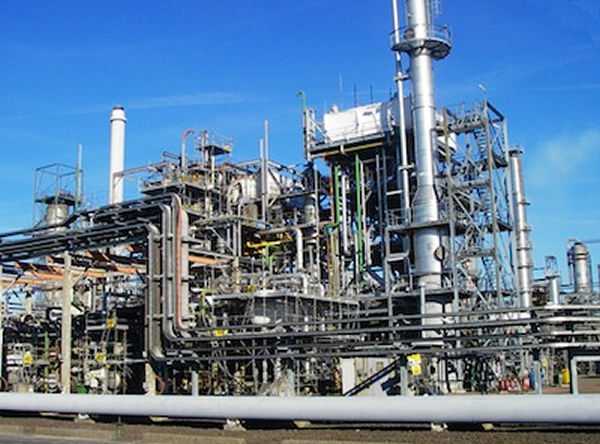
The Port Harcourt Refining Company (PHRC), a critical component of Nigeria’s petroleum infrastructure, has resumed operations after a week-long hiatus, bringing a sigh of relief to fuel marketers and potentially easing anxieties about fuel availability. The refinery had abruptly halted petrol loading two weeks prior, leaving many marketers stranded and raising concerns about the stability of fuel supply. The sudden cessation of activity at the refinery, with no initial explanation offered, had created an atmosphere of uncertainty and fueled speculations about potential technical glitches or operational challenges within the facility. The resumption of activity, though gradual, suggests an attempt to address these concerns and restore normalcy to the fuel distribution chain.
The initial resumption of activity at the refinery was marked by a slow and gradual return to normalcy. While official statements from the Nigerian National Petroleum Company Limited (NNPC) indicated preparations were underway for loading operations, the actual resumption was characterized by a measured pace. On Monday, only 11 trucks were initially loaded with petrol, a stark contrast to the refinery’s potential capacity. Observations at the facility revealed a slow start, with minimal activity until early afternoon, when trucks began entering the loading bay. This gradual resumption suggests a cautious approach, possibly to ensure all systems were functioning correctly after the period of inactivity and to prevent any further disruptions.
The limited capacity utilization at the loading bay further underscored the challenges faced by the PHRC. Of the 18 arms in the loading bay, only three were operational, while the remaining arms were awaiting calibration. This restricted capacity significantly hampered loading operations and contributed to the slow pace of fuel distribution. Marketers expressed their frustration at the situation, emphasizing the refinery’s potential to load up to 50 trucks before the end of the workday if operating at full capacity. Their concerns highlight the economic implications of the refinery’s underperformance and the urgent need for intervention to restore its full operational capacity.
The resumption of operations, albeit gradual, brings a renewed sense of hope for improved fuel supply and market stability. The initial loading of 11 trucks, followed by a steady increase in activity as the day progressed, signifies a positive step towards meeting the demands of fuel marketers and consumers. However, the limited functionality of the loading bay remains a significant bottleneck, hindering the refinery’s ability to operate at its full potential. Addressing this issue is crucial to ensuring a consistent and reliable supply of petrol and preventing future disruptions.
The concerns raised by marketers regarding the frequent and unexplained shutdowns of loading operations underscore the need for greater transparency and communication from the NNPC. The lack of clear information surrounding the refinery’s operations fuels speculation and contributes to uncertainty in the market. Open and timely communication about the refinery’s status and any challenges it faces would help manage expectations and build trust among stakeholders. Furthermore, addressing the technical issues limiting the loading bay’s capacity is paramount to maximizing the refinery’s output and ensuring a consistent supply of petrol to the market.
The resumption of operations at the PHRC is a welcome development, signaling a potential easing of fuel supply concerns. However, the slow pace of the resumption and the limited functionality of the loading bay highlight the ongoing challenges faced by the refinery. Addressing these challenges, particularly the calibration of the remaining loading arms and ensuring consistent operations, is essential for maximizing the refinery’s output and meeting the fuel demands of the nation. Furthermore, fostering transparency and open communication about the refinery’s operations is crucial for building trust among stakeholders and mitigating anxieties surrounding fuel availability. The long-term stability of fuel supply relies on the consistent and efficient performance of the PHRC, a goal that requires ongoing investment, maintenance, and effective management.