The New Patriotic Party (NPP) in Ghana is grappling with the aftermath of a significant electoral defeat in the 2024 general elections, a loss that shattered their ambition of “breaking the eight,” a term referring to their desire to extend their governance beyond the conventional two-term limit. The election saw the opposition National Democratic Congress (NDC), led by John Dramani Mahama, secure a decisive victory, leaving the NPP, under the leadership of Vice President Dr. Mahamudu Bawumia, to introspect on the factors that contributed to their downfall. The defeat has unleashed a wave of internal tensions and blame games, further complicating the party’s path to recovery.
The party’s internal struggles are characterized by differing viewpoints on how to address the post-election challenges. Some members, including prominent figures like Subin MP Eugene Boakye Antwi, have publicly attributed the loss to the leadership of President Nana Akufo-Addo and former Finance Minister Ken Ofori-Atta. Their criticism points to the economic hardships experienced under the NPP’s governance, suggesting these played a significant role in swaying public opinion towards the opposition. This public airing of grievances contrasts with the more traditional approach of containing internal disputes within the party’s confines.
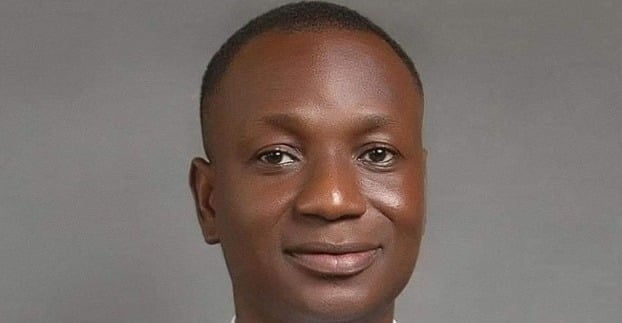
Amidst this internal turmoil, Clement Opoku Gyamfi, also known as Kwame Poku CID, the District Chief Executive (DCE) of Amansie South, has emerged as a voice advocating for open expression of frustrations within the NPP. He argues that this open dialogue is essential for the party’s healing and eventual recovery. His perspective suggests that suppressing dissent would only exacerbate the existing tensions and hinder the party’s ability to learn from its mistakes. However, he also emphasizes the need for responsible communication, cautioning members against airing grievances in a manner that could further damage the party’s image or exacerbate internal divisions.
This internal debate within the NPP highlights the complex interplay between transparency and unity in the face of adversity. The call for open dialogue reflects a growing recognition within the party that addressing the root causes of the electoral defeat requires honest introspection and a willingness to confront uncomfortable truths. The opposing view, advocating for internal resolution of disputes, stems from a concern that public airing of grievances could further fracture the party and hinder its ability to present a united front in future elections.
Kwame Poku CID’s call for open yet measured expression of frustrations resonates with the broader concept of organizational learning. The ability to openly analyze and learn from past failures is crucial for any organization, particularly political parties that operate within a dynamic and competitive landscape. By encouraging members to voice their concerns, the NPP can potentially gain valuable insights into the factors that contributed to their electoral defeat. This process of collective reflection can inform future strategies and help the party reconnect with the electorate.
The NPP’s current predicament underscores the challenges faced by political parties in navigating the aftermath of electoral defeat. The balance between maintaining internal unity and fostering open dialogue is a delicate one, and the choices made in this critical period can significantly impact the party’s long-term prospects. The NPP’s ability to effectively manage its internal divisions, learn from its mistakes, and present a renewed vision for the future will ultimately determine its success in regaining public trust and reclaiming its position in Ghanaian politics. The ongoing debate within the party suggests a growing awareness of the need for self-reflection and adaptation, which are essential prerequisites for any organization seeking to rebound from setbacks and achieve future success.