









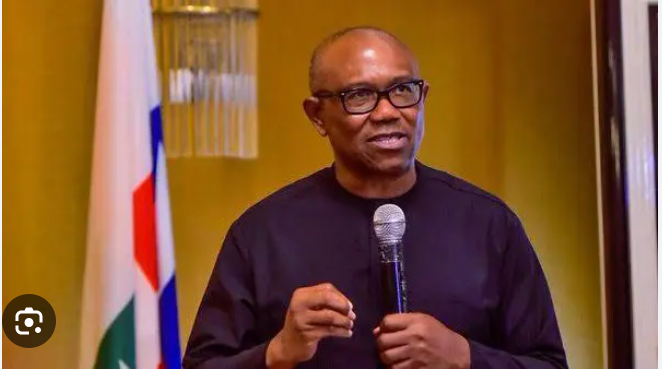
Peter Obi, the Labour Party’s presidential candidate for the 2023 elections in Nigeria, recently stirred public debate with his suggestion to convert church vigils into night shifts, proposing this drastic change as a strategy to combat the country’s pervasive poverty and low productivity. In a discussion on the Honest Bunch podcast, Obi criticized the overemphasis on politics and religion in Nigerian society, arguing that this focus detracts from productivity. He expressed discontent with the current state of the nation, stating that it is counterproductive to have citizens attending church services and vigils from Monday through Friday, which he believes hampers their ability to contribute effectively to the economy.
The proposal has met with polarized reactions across the Nigerian populace. Supporters of Obi’s notion assert that reducing the time dedicated to religious gatherings could encourage a more productive workforce. Some believe that a cultural shift is necessary and that more citizens should engage in work rather than frequent church attendance. However, this perspective has been sharply criticized by various religious figures and individuals who see the suggestion as an impractical solution to deep-seated socio-economic issues. Joshua Mike-Bamiloye, the son of the founder of the Mount Zion Faith Drama Ministry, was one of the vocal critics, labeling Obi’s suggestion as “misguided” and an affront to those who value their faith and community gatherings.
Critics like Mike-Bamiloye also argued that blaming the church’s activities for Nigeria’s challenges fails to address the root problems of the society. They assert that the focus should be on more systemic issues rather than a perceived over-reliance on religion for social cohesion. Joshua highlighted the inconsistency in Obi’s stance, pointing out that he had been active in churches during his campaign prior to the elections and that his current remarks contradict his earlier engagement with religious institutions. Furthermore, he questioned why recreational events and other social gatherings were not similarly scrutinized if productivity is the goal.
Conversely, some Nigerian voices echoed the sentiment behind Obi’s argument about church attendance not translating to tangible socio-economic improvements. Comments on social media illustrate a range of opinions, with supporters suggesting that increased engagement in productive activities could lead to significant shifts in the national economy. Others pointed out the paradox of religious gatherings that often seem disconnected from personal and social development outcomes, arguing that many worshippers might spend vast amounts of time in churches without seeing corresponding improvements in their lives or finances.
Supporters of Obi also connected their backing to broader discussions about how Nigeria’s cultural emphasis on religion could hinder progress. They argue that while faith is an important aspect of life, there is a crucial need for a balance that allows for workforce participation and economic contribution. For instance, one commentator mentioned that while vigils are often held on Fridays, which precedes the weekend, their frequency throughout the week could impair productivity during weekdays. There is a spirit of inquiry regarding whether changes could lead to more responsible time management, especially for individuals who juggle both professional and religious commitments.
Ultimately, this debate sheds light on the multifaceted struggle between religious practices and economic productivity in Nigeria. By proposing a significant shift in the cultural framework surrounding church vigils, Obi has ignited crucial discussions about the relationship between faith, culture, and development in a nation grappling with poverty and inefficiency. Although there are varying opinions on the efficacy of his suggestion, it is clear that the discourse around productivity in Nigeria cannot be divorced from its extensive socio-cultural dynamics, which include the significant role that religion plays in daily life.









