





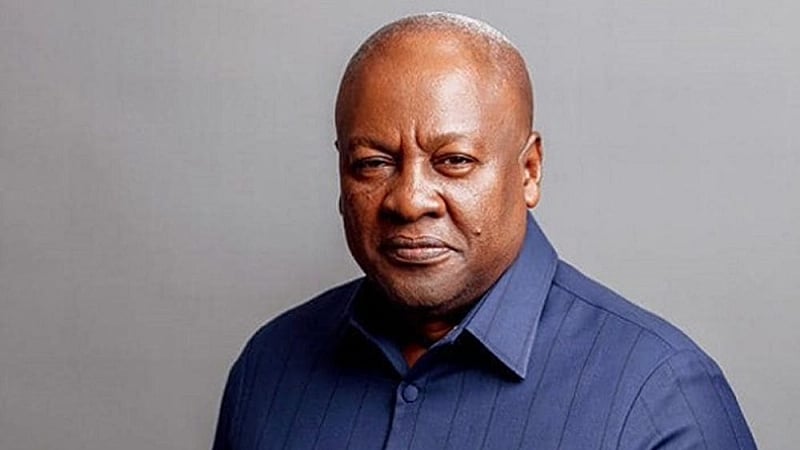
President-elect John Dramani Mahama’s ambitious 120-day social contract represents a comprehensive roadmap for the initial phase of his administration, prioritizing decisive actions across governance, economic policy, and public accountability. This fast-paced agenda aims to swiftly establish a functional and effective government, lay the groundwork for economic recovery and stability, and reinforce a culture of transparency and integrity within the public sector. The plan’s central pillars include the rapid appointment of cabinet ministers, streamlining government operations for efficiency, implementing stringent ethical guidelines for officials, launching a national economic dialogue, and aggressively pursuing the recovery of misappropriated public funds. These commitments underscore Mahama’s focus on delivering tangible results early in his term and setting a clear direction for his broader governance vision.
The swift formation of a cabinet within the first two weeks signifies Mahama’s recognition of the importance of establishing a leadership team to address pressing national challenges. This rapid appointment process aims to minimize any transitional delays and ensure the immediate engagement of key ministerial portfolios. Simultaneously, the commitment to creating a lean and efficient government structure within the first 90 days points to a focus on optimizing resource allocation and minimizing bureaucratic redundancies. This streamlining initiative reflects a commitment to fiscal prudence and effective governance, maximizing the impact of public spending and enhancing service delivery.
The introduction of a robust code of conduct and ethical standards for all government officials underscores Mahama’s commitment to fostering a culture of integrity and accountability within the public sector. This initiative aims to enhance transparency, curb corruption, and strengthen public trust in government institutions. By establishing clear expectations for ethical behavior and implementing mechanisms for enforcement, the code of conduct seeks to prevent abuses of power and promote responsible governance. This emphasis on ethical conduct complements the “Operation Recover All Loot” initiative, demonstrating a multifaceted approach to combating corruption and promoting good governance.
The planned national economic dialogue represents a crucial step towards building consensus on strategies for fiscal consolidation and economic revitalization. By engaging stakeholders across various sectors, including businesses, labor unions, civil society organizations, and experts, the dialogue aims to generate innovative solutions and forge a shared vision for economic recovery. This collaborative approach recognizes the importance of broad-based participation in addressing complex economic challenges and ensuring that policy decisions reflect the needs and aspirations of all segments of society. The dialogue will likely focus on key issues such as debt management, revenue generation, and sustainable economic growth.
The commitment to scrapping several levies, including the E-Levy, COVID-19 levy, 10% betting levy, and emissions levy, signals Mahama’s intention to alleviate the tax burden on citizens and businesses. These levies have been subjects of public debate and criticism, with concerns raised about their impact on disposable incomes and economic activity. By removing these levies, Mahama aims to stimulate economic growth, encourage investment, and improve the overall financial well-being of Ghanaians. This move aligns with his broader economic agenda of creating a more favorable environment for businesses and promoting inclusive economic development.
The establishment of a dedicated committee to oversee the implementation of the 120-day social contract further underscores Mahama’s commitment to achieving these ambitious goals. This committee will be responsible for tracking progress, coordinating activities, and ensuring accountability for the delivery of the outlined objectives. The “Operation Recover All Loot” initiative, operating under the purview of this committee, reflects a strong commitment to combating corruption and retrieving misappropriated public funds. By actively pursuing the recovery of stolen assets, Mahama aims to demonstrate his administration’s unwavering commitment to upholding the principles of probity and accountability enshrined in the constitution. This initiative sends a clear message that corruption will not be tolerated and that those responsible for misusing public funds will be held accountable.








