





Paragraph 1: Arrival and Context of the Summit
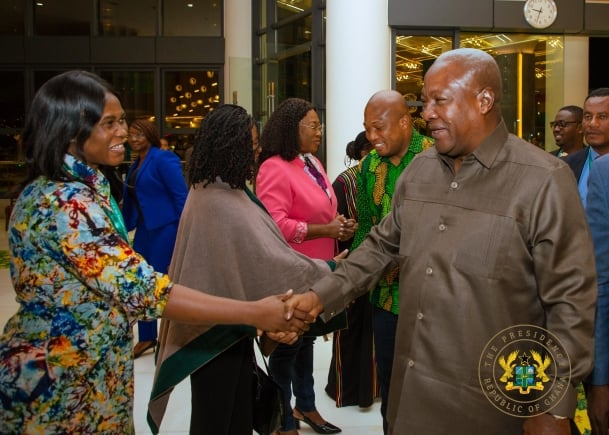
President John Dramani Mahama arrived in Addis Ababa, Ethiopia, to participate in the 38th Ordinary Session of the Assembly of Heads of State and Government of the African Union. Greeted by the Minister of Foreign Affairs and Ghanaian diplomats, President Mahama joined other African leaders for this crucial summit held from February 15th to 16th, 2024. This year’s summit, themed "Justice for Africans and People of African Descent through Reparations," aimed to address historical injustices and ongoing systemic inequalities affecting people of African descent globally. The theme builds upon discussions initiated at the 37th Ordinary Session, reflecting a growing pan-African movement to acknowledge past wrongs and seek redress for their enduring impact. The AU Commission emphasized the critical need for collective action and a transformative dialogue focused on reparations, recognizing its significance beyond historical injustices and its relevance to present-day societies worldwide.
Paragraph 2: The Election of a New AU Commission Chairperson
A key event during the 38th AU Summit was the election of a new chairperson to replace Moussa Faki Mahamat, whose term concluded. Several prominent figures contended for this prestigious position, including Mahamoud Ali Youssouf, Djibouti’s long-serving Foreign Minister; Raila Odinga, former Prime Minister of Kenya and AU High Representative for Infrastructure Development; and Richard Randriamandrato, Madagascar’s former Foreign Minister. The election process highlighted the diversity of leadership within the African Union and the varying levels of support garnered by each candidate. While Odinga seemed to possess significant backing from several nations, the eventual outcome remained uncertain, pending the official voting process. Other candidates, including Anil Gayan from Mauritius, Fawzia Yusuf Adam from Somalia, and Vincent Meriton from Seychelles, withdrew their candidacies before the election.
Paragraph 3: The Comprehensive Agenda of the Summit
Beyond the election, the summit encompassed a broad agenda covering critical issues facing the continent. The Heads of State were scheduled to review the report of the 49th Ordinary Session of the Permanent Representatives’ Committee (PRC) providing updates on ongoing initiatives and challenges. Elections for various other positions within the AU framework, including Commissioners of the African Union Commission, members of the Peace and Security Council, and a member of the African Space Agency, further underscored the importance of the summit for organizational restructuring and leadership renewal.
Paragraph 4: Reports and Discussions on Key Continental Issues
The summit facilitated vital discussions about the Union’s activities, including reports from the Africa Centers for Disease Control (AFCDC) and the 15th AFCFTA (African Continental Free Trade Area) Council of Ministers for Trade. These reports provided valuable insights into progress made in public health and trade liberalization, respectively, allowing leaders to assess effectiveness and address existing challenges. The annual report on the activities of the Union, its organs, and various champions, further offered a holistic overview of the AU’s achievements and future priorities.
Paragraph 5: Legal Instruments and the Pursuit of Justice and Equality
Deliberations also focused on draft legal instruments, notably the Draft African Union Convention on Ending Violence Against Women and Girls and the Draft Statute of the Africa Food Safety Agency. These initiatives demonstrated the AU’s commitment to addressing critical social issues and promoting safety and well-being across the continent. The consideration of such instruments was a reaffirmation of the AU’s role in establishing legal frameworks to uphold human rights and enhance continental cooperation on matters of shared concern.
Paragraph 6: Conclusion and the Significance of the Summit
Concluding with the adoption of decisions and a closing ceremony, the 38th AU Summit represented a pivotal moment for the African Union. The theme of reparations set the stage for acknowledging historical injustices and promoting restorative justice for people of African descent. The election of a new chairperson marked a transition in leadership, while discussions on a wide range of topics, from public health to trade and from legal instruments to security, exemplified the AU’s comprehensive approach to continental development. The summit served as a platform for fostering unity, collaboration, and strategic decision-making amongst African leaders, paving the way for future progress and the realization of the AU’s vision for a prosperous and integrated Africa.








