





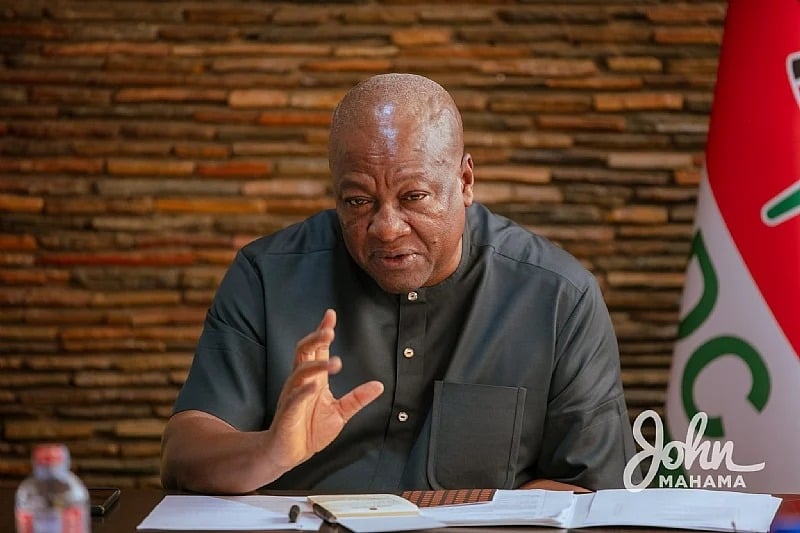
The government of Ghana, under the leadership of President John Dramani Mahama, has taken significant strides to reinforce its commitment to the Domestic Debt Exchange Programme (DDEP), fulfilling its obligations to bondholders and solidifying the nation’s debt sustainability efforts. A key aspect of this commitment involved the disbursement of GHS6.081 billion as Payment-In-Cash (PIC) to all DDEP bondholders, representing a substantial injection of funds into the hands of investors. Concurrently, the government deposited GHS3.46 billion in Payment-In-Kind (PIK) into bondholders’ respective securities accounts, adhering to the terms outlined in the DDEP Memorandum. This dual approach ensured that bondholders received both immediate liquidity and long-term value through the accrual of interest on the PIK component. This decisive action aimed to restore investor confidence and demonstrate the government’s dedication to upholding its financial commitments.
Further bolstering the nation’s debt management strategy, the government injected GHS9.7 billion into the Debt Service Recovery Cedi Account, often referred to as the Sinking Fund. This strategic allocation of resources serves as a critical buffer for the upcoming fifth DDEP coupon payment, which is scheduled between July and August 2025. By proactively setting aside these funds, the government mitigates the risk of potential payment delays and reaffirms its commitment to meeting future obligations. This proactive measure aims to enhance investor trust and contribute to the overall stability of the financial markets. It underscores the government’s determination to manage debt responsibly and ensure the smooth execution of the DDEP.
President Mahama, in a statement released through his spokesperson, reiterated the government’s unwavering commitment to honoring all DDEP obligations. This commitment, he emphasized, is not merely a matter of fulfilling contractual agreements but a cornerstone of the broader strategy to restore market confidence and promote transparency in the management of public finances. This commitment is crucial for attracting future investment and fostering economic growth. By prioritizing transparency and accountability, the government seeks to build a strong foundation for sustainable economic development. The president’s reassurance aims to allay investor concerns and signal the government’s focus on fiscal responsibility.
Looking ahead, President Mahama indicated that the upcoming 2025 Budget Statement will unveil additional measures designed to further strengthen fiscal prudence, promote economic stability, and stimulate job creation. These measures will likely encompass a range of policy initiatives aimed at optimizing government spending, enhancing revenue collection, and creating a conducive environment for businesses to thrive. The emphasis on job creation underscores the government’s understanding of the critical role employment plays in improving living standards and fostering social stability. The budget statement is expected to provide a roadmap for the government’s economic agenda and further solidify its commitment to sustainable development.
The government acknowledges inheriting economic challenges from the previous administration, including the lingering effects of the COVID-19 pandemic and global economic uncertainties. Despite these challenges, the Mahama administration has expressed its firm resolve to stabilize the Ghanaian cedi, curb inflation, and ensure value for public spending. These objectives are fundamental to achieving sustainable economic growth and improving the lives of ordinary citizens. Stabilizing the currency is crucial for controlling import costs and maintaining price stability. Curbing inflation protects the purchasing power of households and businesses, while ensuring value for public spending maximizes the impact of government investments in essential services and infrastructure.
The government’s recent interventions, including the settlement of DDEP obligations and the bolstering of the Sinking Fund, are expected to reassure investors and financial markets of its unwavering commitment to economic recovery and sustainable debt management. These actions signal a proactive and responsible approach to fiscal management and demonstrate the government’s determination to navigate the current economic challenges effectively. By fulfilling its commitments and implementing prudent fiscal measures, the government aims to create a stable and predictable economic environment that encourages investment, fosters job creation, and ultimately leads to improved living standards for all Ghanaians.








