





Ghana’s Economic Outlook and the 2025 Budget: A Focus on Resilience and Stability
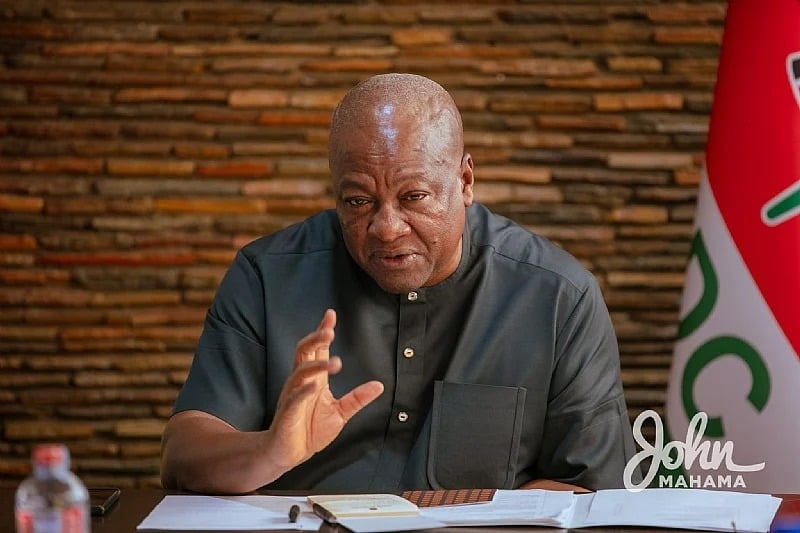
Ghana is poised to embark on a crucial phase of economic planning as President John Dramani Mahama convenes a special cabinet session to deliberate on the 2025 national budget. This session, a precursor to the official budget presentation by Finance Minister Dr. Cassiel Ato Forson on March 11, 2025, signifies the government’s commitment to addressing pressing economic challenges and charting a course toward a more resilient and robust economy. The 2025 budget is anticipated to prioritize key areas such as public sector reforms, economic diversification, and infrastructure development, all aimed at fostering sustainable growth and ensuring long-term stability.
Public Sector Reforms: Enhancing Efficiency and Accountability
The public sector, a cornerstone of Ghana’s governance and service delivery, is expected to undergo significant reforms as part of the 2025 budget strategy. These reforms are aimed at enhancing efficiency, transparency, and accountability within government institutions. Measures such as streamlining bureaucratic processes, strengthening oversight mechanisms, and promoting digitalization are likely to be central to this initiative. By optimizing public sector operations, the government aims to create a more conducive environment for investment, stimulate economic activity, and improve public service delivery. This focus on efficiency and accountability will contribute to building trust in government institutions and fostering a more stable and predictable economic landscape.
Economic Diversification: Reducing Reliance on Traditional Sectors
Recognizing the vulnerability inherent in over-reliance on specific sectors, the 2025 budget is expected to emphasize economic diversification. This strategy involves promoting growth in non-traditional sectors such as manufacturing, technology, renewable energy, and tourism. By diversifying its economic portfolio, Ghana aims to reduce its dependence on volatile commodity prices and create a more balanced and resilient economy. This initiative will also contribute to job creation, particularly for the youth, and foster a more inclusive economic growth trajectory. The budget is likely to include targeted investments and incentives to attract private sector participation in these emerging sectors.
Infrastructure Development: Building the Foundation for Sustainable Growth
Infrastructure development is another key pillar of the 2025 budget, with a focus on improving transportation networks, energy infrastructure, and access to essential services such as water and sanitation. Robust infrastructure is essential for facilitating economic activity, attracting foreign investment, and improving the quality of life for citizens. By investing in infrastructure development, the government aims to lay the foundation for sustainable economic growth and create a more competitive business environment. This will also enhance regional connectivity, promote trade, and unlock the full potential of Ghana’s diverse economic landscape.
The Path to Sustainable Growth and Long-Term Stability
The 2025 budget represents a critical juncture in Ghana’s economic journey. By prioritizing public sector reforms, economic diversification, and infrastructure development, the government aims to create a more resilient and robust economy capable of withstanding external shocks and delivering sustainable growth. These initiatives are interconnected and mutually reinforcing, creating a synergistic effect that will contribute to long-term stability and improved living standards for all Ghanaians.
Challenges and Opportunities: Navigating the Road Ahead
While the 2025 budget holds immense promise, the government will face several challenges in its implementation. Global economic uncertainty, fluctuating commodity prices, and the need to maintain fiscal discipline will require careful navigation. However, with a clear vision and a commitment to sound economic management, Ghana has the potential to overcome these obstacles and achieve its development goals. The 2025 budget represents a significant step towards achieving this vision and securing a prosperous future for the nation. The success of these initiatives will depend on effective implementation, ongoing monitoring, and continuous adaptation to the dynamic global economic landscape.








