





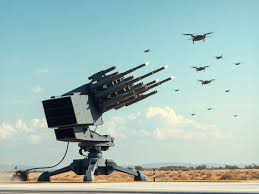
The revelation by Ukrainian President Volodymyr Zelensky regarding the redirection of 20,000 anti-drone missiles, originally destined for Ukraine, has brought to light a complex interplay of geopolitical strategies, military aid decisions, and the evolving nature of the conflict between Ukraine and Russia. The missiles, specifically designed to counter threats like the Iranian-made Shahed drones extensively used by Russian forces, represent a critical component of Ukraine’s defense strategy. Zelensky’s statement underscores the significance of these weapons in combating the escalating drone warfare, highlighting the impact of their diversion on Ukraine’s ability to effectively defend itself against persistent aerial attacks. This incident also exposes the delicate balance between supporting allies and addressing perceived immediate needs within one’s own military forces.
The timeline of the missile redirection unfolds across two presidential administrations, adding layers of political and strategic considerations. Initially planned under the Biden administration and championed by then-Defense Secretary Lloyd Austin, the missile delivery was envisioned as a cost-effective solution to specifically address the growing threat of Shahed drones. The Trump administration’s subsequent decision to divert the missiles to US forces in the Middle East, based on claims of urgent need, injected a new dynamic into the situation. This shift in policy not only delayed the bolstering of Ukraine’s defenses but also raised questions regarding the prioritization of military resources and the potential impact on strategic alliances. The decision seemingly contradicts the Biden administration’s commitment to supporting Ukraine’s defense capabilities.
The implications of the missile redirection extend beyond the immediate tactical disadvantages faced by Ukraine. The incident highlights the broader challenges of providing military aid in a rapidly changing geopolitical landscape. The initial plan, developed under a different administration with a specific strategic objective in mind, was effectively overturned by a subsequent administration with a different set of priorities. This underscores the inherent complexities and potential inconsistencies that can arise from shifts in political power and strategic reassessments. Furthermore, the decision raises questions about the transparency and communication surrounding such critical decisions, particularly given the reported use of a classified Pentagon message to inform Congress.
The escalating drone warfare, a defining characteristic of the current phase of the conflict, further accentuates the significance of the diverted missiles. Ukrainian intelligence reports suggest a looming intensification of drone attacks by Russia, with the potential for a dramatic increase in the number of long-range drones deployed in a single night. This anticipated surge in drone activity directly corresponds with Russia’s efforts to ramp up drone production and expand its launch capabilities. In this context, the absence of the 20,000 anti-drone missiles becomes even more critical, potentially leaving Ukraine vulnerable to a more intense and sustained aerial assault.
The halt in the approval of new US military aid packages to Ukraine under the Trump administration adds another layer of complexity to the situation. This decision, coupled with earlier hesitations and pauses in aid deliveries, reflects a broader debate within the US about the extent and duration of its support for Ukraine. Trump’s expressed reservations about prolonged military involvement in the conflict underscore the delicate balance that administrations must strike between supporting allies and managing domestic political pressures, particularly regarding financial commitments to foreign engagements. While deliveries resumed after Ukraine agreed to a ceasefire framework during peace negotiations, the underlying tensions regarding the scope and continuity of US aid remain.
The confluence of these factors – the missile diversion, escalating drone warfare, and the broader questions surrounding US military aid – paints a complex picture of the challenges facing Ukraine in its ongoing conflict with Russia. The absence of the anti-drone missiles represents a significant setback to Ukraine’s defensive capabilities at a time of intensifying aerial threats. The shifting political landscape in the US, reflected in the change of administrations and the accompanying policy adjustments, further complicates the situation and underscores the fragility of international alliances and the unpredictable nature of military aid commitments in a dynamic geopolitical environment. The confluence of these factors underscores the critical need for consistent and reliable support from international partners to bolster Ukraine’s defense capabilities and navigate the evolving challenges of the conflict.








