





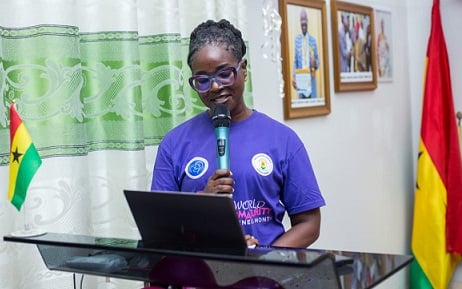
Mrs. Evelyn Duah, the Executive Director of the Fortitude Child Support Foundation (FCSF), emphasized the pressing global health issue of preterm births, which are significant contributors to infant mortality and long-term disabilities. During an event held in Dodowa to commemorate the 2024 World Prematurity Day, she explained that preterm delivery occurs before 37 weeks of gestation. Annually, around 13.4 million babies are born prematurely worldwide, representing one in ten live births, and sadly, nearly one million succumb to complications. In Ghana alone, approximately 128,000 preterm infants are born each year, with 8,400 children under five dying due to complications related to preterm birth. The event, organized in partnership with the Shai Osudoku District Hospital, aimed to raise awareness and advocate for enhanced neonatal health care under the theme “Breaking Barriers: Access to Quality Care Everywhere.”
Highlighting the need for greater emphasis on neonatal care, Mrs. Duah stressed that access must be prioritized for every preterm baby regardless of their socio-economic status. She pinpointed the necessity for health stakeholders, government authorities, and society as a whole to ensure that families, particularly those facing financial or systemic barriers, can access high-quality neonatal care services. To address this issue, FCSF plans to launch an advocacy campaign aimed at establishing a national fund that would focus on supporting vulnerable children and improving neonatal healthcare across Ghana. She also recognized the support of the Ghana National Gas Company, which contributed to the success of this year’s World Prematurity Day commemoration.
The Shai Osudoku District Hospital’s Medical Superintendent, Dr. Kennedy T.C. Brightson, provided insight into the hospital’s challenges, sharing statistics that reveal the facility manages approximately 382 neonatal cases each year, including 56 preterm births. He pointed out that among the reasons for high preterm births are late hospital visits, financial constraints, and delays in medical interventions. Furthermore, contributing factors like infections, pregnancy-induced health issues, high-stress levels, and the use of untested herbal remedies underscore the need for community education on proper prenatal and neonatal care. Dr. Brightson underlined the obstacles faced in providing effective care, such as the lack of essential medical equipment like incubators and phototherapy machines, highlighting the importance of equipping healthcare facilities adequately.
The celebration included various community engagement activities aimed at raising awareness about preterm birth. A health walk and float were organized through the streets of Dodowa, which saw participation from healthcare workers, community members, and volunteers. The event culminated in a solemn vigil at the hospital to honor the lives of preterm infants lost and to underscore the urgent need to bridge gaps in neonatal healthcare. The vigil highlighted both remembrance and the pressing requisite for community involvement in addressing preterm birth challenges. Educational sessions were facilitated on topics related to preterm birth causes and prevention strategies, accompanied by the dissemination of materials designed to encourage families to seek timely medical assistance and adopt proper neonatal care practices.
The event attracted a variety of stakeholders, including healthcare professionals, traditional community leaders, and industry participants. Key dignitaries included Madam Alice Panibre, the Deputy Chief of Nursing and Midwifery, and Nana Ayerkie Yortsu III, the Queen Mother of the Shai Osudoku Traditional Area, alongside many other local health experts. The engagement of these community leaders was significant in fostering a collaborative approach toward resolving the critical healthcare issues surrounding preterm births. The 2024 World Prematurity Day served not only as a recognition of the challenges faced but also as a call to action for collective efforts to improve neonatal outcomes across Ghana and beyond.
In conclusion, the event was pivotal in raising awareness about preterm births and the need for improved neonatal healthcare within the community. With insightful discussions and active outreach efforts, participants were encouraged to recognize the barriers that preterm infants face and engage in advocacy for enhanced healthcare services. The emphasis on breaking down these barriers through solidarity and collective responsibility is essential to ensure every preterm baby receives the care they need. As the community continues to strive for better healthcare outcomes, the commitment to prioritizing neonatal care must remain steadfast, ultimately aiming to decrease the incidence of prematurity and improve the overall health of future generations.








