





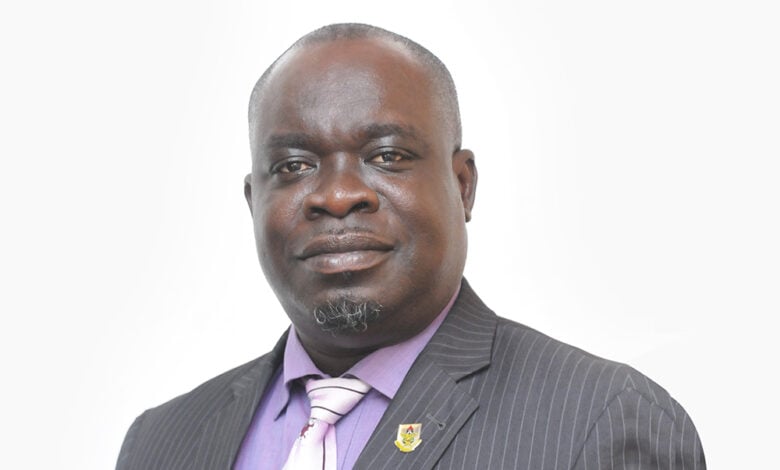
The 2024 Ghanaian general elections were marred by an unsettling incident of violence against military personnel, raising concerns about the safety of security forces and the potential for escalated conflict during electoral processes. Professor Charles Ofosu Marfo, Provost of the College of Humanities and Social Sciences at Kwame Nkrumah University of Science and Technology (KNUST), strongly condemned the attack on two soldiers at a polling station in the Obuasi East Constituency, allegedly perpetrated by members of the National Democratic Congress (NDC). The incident sparked a heated debate about the appropriate use of force by the military in civilian contexts and the vulnerability of security personnel during politically charged events. Professor Marfo’s controversial response, advocating for the soldiers to have used lethal force against their attackers, further ignited the discussion, highlighting the complex interplay of civilian-military relations, electoral violence, and the rule of law.
The incident unfolded against the backdrop of pre-election assurances from the Ghana Armed Forces that soldiers would not be deployed to polling centers. The unexpected presence of armed soldiers at the Obuasi East polling station immediately created tension, raising questions about the purpose of their deployment and potentially fueling suspicions of partisan bias. The situation escalated when an NDC Communication Officer reportedly challenged the soldiers’ presence, demanding their departure and threatening to involve the police if they refused. The ensuing confrontation between the soldiers and the NDC members quickly turned physical, marking a disturbing breach of peace during what should have been a democratic exercise. This incident underscores the volatile nature of electoral processes and the potential for even seemingly minor disagreements to rapidly escalate into violence, particularly when security forces are involved.
Professor Marfo’s reaction to the incident was particularly striking, reflecting a perspective that prioritizes the authority and protection of security forces, even to the extent of advocating for the use of deadly force against civilians. His statement, questioning why the soldiers did not retaliate with gunfire, revealed a deep frustration with the perceived disrespect shown towards the military and a belief that their authority should be upheld at all costs. He argued that the soldiers, funded by taxpayers and entrusted with the protection of lives and property, should not be subjected to such attacks. This view, however, raises critical questions about the proportionality of force and the potential for unintended consequences when military personnel are empowered to use lethal force in civilian settings.
The incident and Professor Marfo’s subsequent comments highlight the delicate balance between maintaining order during elections and respecting the rights of citizens. While the presence of security forces can be necessary to prevent violence and ensure a peaceful electoral process, their deployment must be carefully managed to avoid perceptions of intimidation or bias. Clear guidelines on the use of force are also crucial to prevent escalations like the one witnessed in Obuasi East. The soldiers’ restraint, despite the physical assault, arguably prevented a far more tragic outcome, though it also exposed them to vulnerability. Professor Marfo’s call for a more forceful response, while perhaps born out of concern for the safety of security personnel, raises troubling implications for civilian safety and the potential for excessive force.
The incident also underscores the need for enhanced communication and coordination between security forces and political parties during elections. Clear protocols for addressing disputes and potential conflicts should be established to prevent misunderstandings and reduce the risk of violence. The presence of armed soldiers at a polling station, despite official assurances to the contrary, created an atmosphere of suspicion and contributed to the escalation of tensions. Improved communication and transparency regarding the deployment of security forces could have helped prevent this incident and ensured a more peaceful electoral process. Furthermore, political parties have a responsibility to ensure that their members and supporters conduct themselves peacefully and respect the authority of security personnel.
The Obuasi East incident serves as a stark reminder of the fragility of democratic processes and the importance of upholding the rule of law. The attack on the soldiers, regardless of the political affiliations of the perpetrators, represents an unacceptable act of violence against those tasked with maintaining order and security. However, Professor Marfo’s call for retaliatory violence is equally concerning, highlighting the dangers of prioritizing the protection of security forces above the safety and rights of civilians. A thorough investigation into the incident is crucial to determine the full sequence of events and hold those responsible accountable. Equally important is a broader discussion on the appropriate role of the military in civilian contexts, the use of force during elections, and the mechanisms for ensuring accountability and preventing future incidents of this nature. Striking a balance between maintaining security and respecting the rights of all citizens is essential for upholding the integrity of democratic processes and ensuring peaceful elections.








