





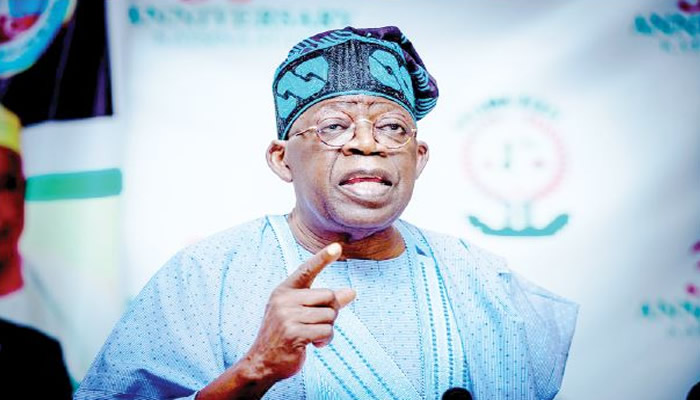
The leadership of the Peoples Redemption Party (PRP) has voiced its urgent concerns regarding the economic reforms instituted by President Bola Tinubu, claiming that the current economic hardship is increasingly intolerable for ordinary Nigerians. In a statement issued in Abuja, PRP National Chairman Falalu Bello called for an immediate reevaluation of these policies, labelling them as detrimental to the well-being of the populace. The chairman’s critique also included a remark on the remarks made by key members of Tinubu’s administration and representatives from Bretton Woods Institutions like the International Monetary Fund (IMF) and the World Bank, who seemingly endorse the controversial policies without acknowledging their harmful consequences.
Bello articulated that Deputy Vice President Shetima’s comments suggesting that there are no viable alternatives to these “harmful” economic measures stand in stark contradiction to fundamental economic principles that advocate for exploring various solutions to socio-economic issues. He emphasized that such statements, particularly from a position of authority, display a troubling detachment from the everyday struggles that average Nigerians endure. The administration has been pressed to assure the public that better days are ahead, yet the promised relief remains elusive, as there is little evidence to support these claims within the actions and policies of the government.
Furthermore, Bello expressed concern that although substantial revenue has been generated through the removal of subsidies and currency devaluation, there has been no corresponding improvement in essential social amenities. He criticized the government’s focus on minor reductions in budget deficits while ignoring issues such as wasteful spending and the opulent lifestyles of government officials. This disconnect between the government’s financial management and the citizens’ realities has only exacerbated existing poverty levels, leading to widespread dissatisfaction among the populace.
The PRP leader also reacted strongly to the endorsement of Tinubu’s policies from representatives of the World Bank, stating that such recommendations are not in the best interests of the Nigerian people. He contended that these external endorsements overlook the grim realities faced by many, as recent reports indicate an increase in poverty attributable to what he termed poor policy decisions. Rather than remaining entrenched in ineffective and harmful economic strategies, Bello urged Tinubu to explore humane alternatives that could lead to sustainable economic recovery and genuinely benefit the people.
Bello emphasized the need for immediate and decisive action from the President, stressing that Nigeria is at a critical juncture and there is little time left for meaningful changes to be made. He insisted that the government must implement a governance framework focusing on citizen welfare rather than adhering to externally imposed economic doctrines that stifle development and progress. The time for action is critical, and the PRP is calling for policies that reflect the realities of the citizens’ lives, move away from unsustainable practices, and alleviate the despair currently felt nationwide.
As the PRP continues to advocate for a shift in economic strategy, it serves as a reminder of the responsibilities of leadership to prioritize the well-being of its citizens. The appeal for President Tinubu to reconsider his policies underscores the need for a more nuanced and empathetic approach to governance that considers the socio-economic challenges faced by ordinary Nigerians. Ultimately, the PRP’s stance calls for a fundamental rethinking of policy frameworks, urging the government not only to alleviate current hardships but also to create a roadmap for enduring economic resilience and empowerment.








