





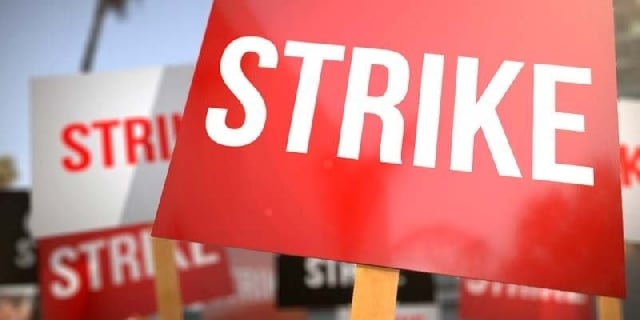
The Public Services Workers’ Union (PSWU) has recently declared a suspension of its strike following a directive from the National Labour Commission (NLC). This development is part of the ongoing efforts to address a labor dispute centered on salary concerns affecting public sector workers. The union’s decision follows a mediation meeting involving the PSWU, the Fair Wages and Salaries Commission (FWSC), and the NLC. With this suspension, the PSWU has confirmed that its members on the Single Spine Salary Structure will return to work on Monday, October 28, 2024. The union has emphasized that this move aims to foster a constructive dialogue with the government to reach a resolution on the outstanding salary issues.
In their statement released on October 25, 2024, the PSWU articulated that their decision to suspend the industrial action reflects a commitment to achieving a mutually beneficial outcome for all parties involved. The union has displayed optimism regarding the possibility of fruitful negotiations and expressed their intent to prioritize peaceful discussions aimed at resolving their ongoing concerns. The suspension is seen as a strategic decision to allow for negotiations, aligning with the directives given by the NLC, which is seen as a critical mediator in this labor dispute.
The PSWU’s announcement clarifies their intention to follow through with negotiations while ensuring that their members can return to their functions without disruption. The union reiterated that all members subsisting on the Single Spine Salary Structure are to report to work as scheduled on October 28, 2024. This decision illustrates the union’s willingness to work collaboratively with relevant authorities to address persistent salary issues impacting public service workers, which has been a point of contention for some time.
Despite the temporary truce, the PSWU has not ruled out the possibility of resuming industrial action if the negotiations do not yield satisfactory results. They have issued a clear warning that they are prepared to take “appropriate action” should the dialogue not fulfill their expectations and requirements for their members. This contingency highlights the union’s commitment to advocating for their rights and the importance they place on achieving favorable outcomes through negotiations with government entities.
Furthermore, the PSWU’s readiness to pause their industrial action reflects a broader strategy of negotiation, signaling a willingness to seek resolution rather than resorting to prolonged strikes. The union’s leadership has underscored the significance of communication and collaboration with the NLC and FWSC in promoting a stable working environment for its members. By temporarily stepping down from strike action, the PSWU aims to engage more effectively in discussions that could lead to improved salary structures and conditions for public service workers.
As the October 28 deadline approaches, all eyes will be on the negotiations and the government’s response to the union’s demands. The PSWU’s actions and the outcome of these discussions could set a precedent for how labor disputes in the public sector are handled in the future. The union remains hopeful for a constructive resolution, while also preparing to mobilize its members should the negotiations fall short of their expectations. This ongoing scenario emphasizes the delicate balance between labor rights advocacy and the need for collaborative resolution processes in the public sector.








