









The Power of Radio in Combating Climate Change: A Call to Action in Nigeria
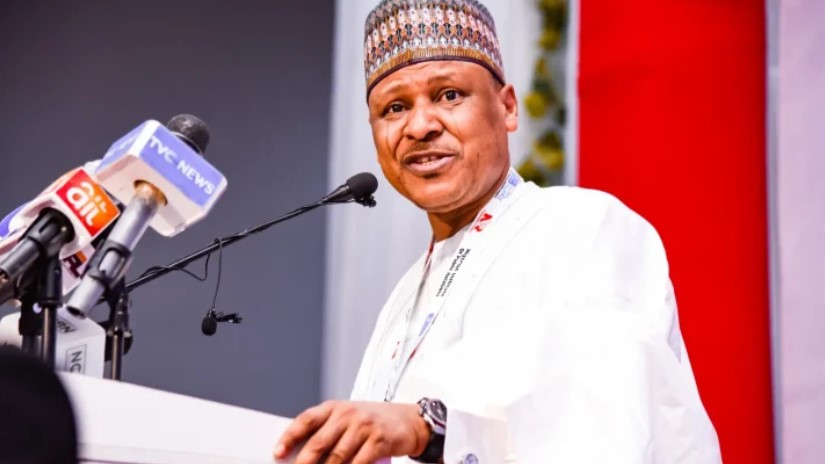
The Federal Government of Nigeria, through the Minister of Information and National Orientation, Mohammed Idris, has issued a compelling call to action for all radio stations in the country to leverage their extensive reach and influence to raise public awareness about the pressing issue of climate change and its multifaceted impacts on Nigeria. This appeal, made in commemoration of World Radio Day, underscores the vital role of radio as a powerful communication tool capable of disseminating crucial information and mobilizing communities towards climate action. The Minister emphasized the potential of radio programming to educate and empower communities, equipping them with the knowledge and resources necessary to adapt to the changing climate and implement effective mitigation strategies.
Radio as a Catalyst for Climate Action:
Radio’s unique accessibility and broad reach, particularly in remote and underserved areas, make it an ideal platform to engage diverse audiences with climate change information. By designing informative and educational programs, radio stations can bridge the knowledge gap and empower individuals to make informed decisions that contribute to environmental sustainability. This involves translating complex scientific concepts into easily understandable language, highlighting the tangible impacts of climate change on local communities, and showcasing practical solutions that citizens can adopt in their daily lives.
Collaboration and Partnerships for Enhanced Impact:
The Minister urged radio stations to forge collaborative partnerships with relevant organizations and experts in the field of climate change, including scientists, environmentalists, and policymakers. By featuring these experts in interviews and discussions, radio programs can provide listeners with accurate, reliable, and credible information, fostering a deeper understanding of the issue and promoting informed public discourse. These collaborations can also facilitate the development of locally relevant solutions that align with the specific environmental challenges and opportunities within Nigeria.
Individual Responsibility and Collective Action:
The call to action extends beyond radio stations, encompassing every individual within Nigerian society. The Minister appealed to all citizens to recognize their individual responsibility in contributing to climate change and to embrace sustainable practices in their daily routines. Simple actions such as reducing plastic consumption, conserving energy, and supporting sustainable agriculture can collectively have a significant impact on mitigating the effects of climate change. This emphasis on individual responsibility aligns with the principle that climate action requires a collective effort from all members of society.
Global Solidarity and Shared Responsibility:
The Minister highlighted the interconnectedness of climate change, emphasizing that its effects transcend national borders and require a global response. He urged Nigerians to join hands with other nations in seeking solutions and building a more sustainable future for generations to come. This call for global solidarity underscores the shared responsibility that all countries bear in addressing this global challenge and the need for collaborative efforts to find effective solutions.
Harnessing the Power of Radio for a Sustainable Future:
The Minister’s message underscores the potential of radio as a powerful tool for social change. By harnessing its reach and influence, radio stations can play a pivotal role in raising public awareness about climate change, promoting sustainable practices, and fostering a collective sense of responsibility towards environmental stewardship. This concerted effort aligns with President Bola Ahamed Tinubu’s Renewed Hope Agenda, which emphasizes sustainable development and environmental protection as key priorities for Nigeria’s future. The Minister expressed optimism that radio, through its unique ability to connect with diverse communities, can contribute significantly to building a more sustainable and resilient future for Nigeria and the world.









