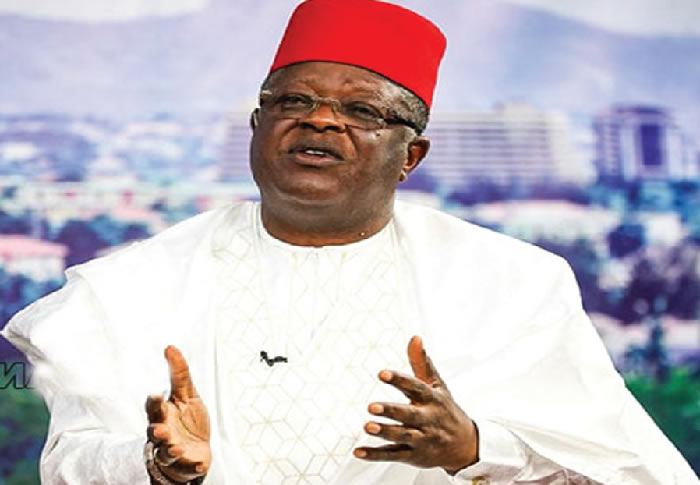
The current administration in Nigeria has set a clear agenda of completing ongoing road projects across the country, a commitment that was stated when they took office. However, 16 months into this mandate, stakeholders express mixed opinions about the government’s execution of these plans. The Minister of Works, David Umahi, has reported progress in reducing the number of uncompleted projects, claiming improvements in completing emergency repairs initiated by the previous administration. Despite these claims, the state of federal roads indicates a slow progression, with many carrying an alarming number of potholes that have resulted in accidents and fatalities. This dire situation has attracted criticism, raising questions about the government’s commitment to addressing infrastructure deficiencies and ultimately improving the safety of transportation in Nigeria.
The contention surrounding Umahi’s management has grown, primarily regarding his alleged heavy-handedness in dealing with contractors. While some stakeholders acknowledge accomplishments under his leadership, others cite concerns that his methods, such as threats to revoke contracts, have exacerbated delays. Critics argue that such an atmosphere of intimidation discourages contractors from meeting their project obligations, bolstering an environment of frustration and ineffectiveness. A report from the National Human Rights Commission is revealing, stating that road accidents have led to more deaths in Nigeria than gunmen attacks, underscoring the urgent need for effective infrastructure management and road safety.
Umahi’s statements about inheriting numerous road projects and his claims about completing significant segments of those works continue to face skepticism. He seemingly reduced the total number of projects to 2,270 after completing a batch of emergency repairs; however, many roads, particularly in the southeast, are in a state of disrepair. Major highways like the Ideato-Orlu-Owerri Road and others in states such as Abia and Cross River remain largely neglected. Complaints from citizens illustrate a dire road experience; travelers on vital routes report injuries and fatalities due to neglect, leading to protests, demands for immediate repairs, and calls for government accountability.
The situation in the North-Central region, highlighted by disputes involving the Abuja-Kaduna-Kano Expressway contract, further illustrates the complications surrounding road construction. Umahi’s claims of possible contract cancellations with major contractors indicate a frayed relationship between the ministry and construction firms. These issues are compounded by requests for upward revisions in contract costs, placing significant pressure on the administration to resolve these disputes while simultaneously progressing on road projects. In the South-West, deteriorating condition of the Oyo-Ogbomosho Highway has led to protests from impacted communities, reiterating the notion that inadequate infrastructure is tied to preventable loss of life.
While some projects, like the Third Mainland Bridge, have indeed achieved completion, the overall assessment of Umahi’s performance remains contentious. Stakeholders, including road transport associations and engineers, express dissatisfaction with the pace and quality of work achieved thus far, while emphasizing the importance of consistent funding. An alarming narrative emerges where ongoing projects are frequently interrupted, resulting in wasted resources and lost time. Some experts suggest that polices aimed at contract revocation particularly worsen the situation rather than enhance productivity and project completion.
Opinions among industry professionals diverge, with some praising Umahi’s visionary approach despite his perceived shortcomings in achieving tangible results. There are calls for prioritizing ongoing projects over new ones, as stakeholders argue that improved infrastructure would significantly benefit Nigerian citizens and the economy. Suggestions for engaging the private sector in the construction process indicate a desire for innovative solutions to enhance efficiency, and expectations remain high for the administration to deliver more comprehensive infrastructure enhancements. However, the frustrations from the contracting community highlight a need for tangible accountability and measurable outcomes from the Ministry of Works, suggesting that a more collaborative effort with contractors may be essential for achieving meaningful progress in road construction and rehabilitation.
Overall, the slow advancement of road projects illustrates the complexities within Nigeria’s infrastructure landscape. Questions about the minister’s effectiveness and management have grown louder amidst mounting evidence of logistical failures in fulfilling road safety and completion commitments. As citizens express mounting frustration over deteriorating conditions and the associated risk to life and commerce, the urgency for the administration to heed these calls and adequately address the issues at hand cannot be overstated. The government’s ability to transform aspirations into realized projects will ultimately define its legacy in infrastructure development and its ongoing engagement with the communities it serves.