









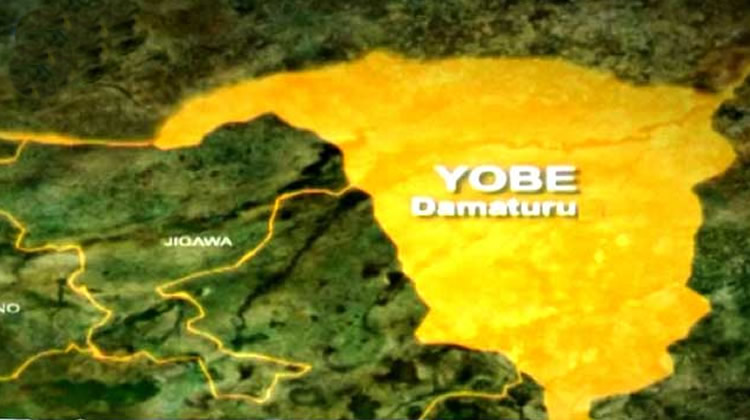
The escalating activities of Non-State Armed Groups (NSAGs) in Northeast Nigeria, specifically in Yunusari Local Government Area and surrounding villages, have ignited a fresh wave of displacement and fear, echoing the darkest days of the Boko Haram insurgency. The recent attacks on Kanamma town, coupled with extortion demands on already impoverished communities, have pushed hundreds of families to flee their homes, seeking refuge in nearby local government areas. The pattern of violence and intimidation employed by these groups, including issuing threats and conducting intimidating displays of force, has created an atmosphere of pervasive fear and uncertainty, forcing residents to abandon their livelihoods and seek safety elsewhere. This resurgence of insecurity is raising alarms about the potential for a wider humanitarian crisis and the possibility of the region sliding back into the widespread violence witnessed during the height of the Boko Haram conflict.
The humanitarian impact of these attacks is rapidly unfolding, with a reported displacement of over 328 individuals from Alajiri and Karabiri villages alone. These displaced persons, primarily women and children, are arriving in Yunusari and Geidam LGAs, seeking shelter and assistance. The influx of displaced persons is straining existing resources and creating a camp-like setting in Yunusari, highlighting the urgent need for humanitarian intervention. The continued threat of NSAG activity looms large, suggesting that the displacement figures are likely to rise in the coming days and weeks. This forced migration is disrupting livelihoods, separating families, and exacerbating existing vulnerabilities within the affected communities. The recurring cycle of violence and displacement poses a significant challenge to long-term development and stability in the region.
Beyond the immediate impact on displaced communities, the NSAGs’ incursions into villages like Ngurbuwa, where residents were assembled for over an hour without explanation, are generating widespread fear and anxiety. This tactic of intimidation is not only psychologically damaging but also serves as a precursor to potential future attacks or extortion demands. The fear of further violence is driving anticipatory displacement, with residents proactively fleeing their homes to avoid becoming victims of NSAG aggression. This preemptive displacement further destabilizes communities, disrupts social networks, and hinders efforts to rebuild and recover from previous attacks. The ripple effect of fear is spreading to neighboring communities in Borno and Yobe states, raising concerns about a wider escalation of the conflict.
The deteriorating security situation in Northeast Nigeria is not an isolated incident but part of a larger trend of escalating violence across the country. Hon. Dauda Hamman, a retired director in Yobe State, has voiced growing concerns about the worsening security landscape, arguing that the situation has deteriorated rather than improved since President Tinubu assumed office. He points to the persistent challenges in the Northeast, Northcentral, and Northwest regions as evidence of a widespread security crisis. Hamman’s assessment underscores the urgent need for a comprehensive and effective security strategy to address the multifaceted challenges facing the nation. His warning that the situation could become increasingly worrisome without immediate action should be a call to action for the government and security agencies.
Hamman’s stark comparison of the current security climate to the era of former President Goodluck Jonathan, particularly the peak of the Boko Haram insurgency, paints a grim picture. He argues that the nation risks returning to a period of widespread violence and instability if decisive action is not taken. Citing recent reports from Borno State, where Governor Zulum has expressed alarm over the resurgence of insecurity and the threat to local government areas in the northern part of the state, Hamman emphasizes the severity of the situation. These concerns, voiced by both local leaders and security experts, highlight the need for a coordinated and robust response to address the escalating threat posed by NSAGs.
The perceived inadequacy of the government’s response to the security crisis is a recurring theme in the analysis of the current situation. Hamman’s blunt assessment that “the government is not doing well security-wise” reflects a growing sense of frustration and disappointment with the performance of the Ministry of Defence and other security agencies. The failure to effectively counter the growing threat posed by NSAGs raises questions about the adequacy of current security strategies and the allocation of resources. The escalating violence and displacement underscore the urgent need for a reassessment of security policies and a renewed commitment to protecting vulnerable communities from the ravages of conflict. The government must prioritize the safety and security of its citizens and invest in the resources and strategies necessary to restore peace and stability to the affected regions. A failure to act decisively will only exacerbate the humanitarian crisis and further destabilize an already fragile region.









