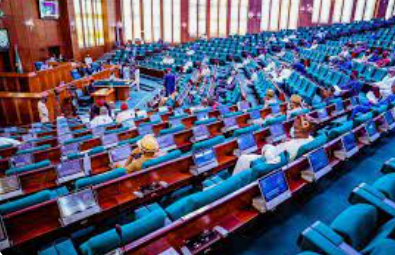
The House of Representatives Committee on Nutrition and Food Security has initiated an investigation into the alleged diversion of N1.12 trillion earmarked for the Anchors Borrowers Programme (ABP). This program, designed to bolster agricultural production and food security, aimed to support 4.67 million farmers cultivating maize, rice, or wheat through 563 anchor companies. The committee’s probe extends to 24 participating financial institutions entrusted with disbursing the funds, with a particular focus on the Central Bank of Nigeria (CBN), the primary administrator of the ABP. The committee expressed concern over the limited evidence received, with documentation from only nine of the 24 institutions involved thus far.
The investigation also encompasses the activities of NIRSAL Microfinance Bank and the Bank of Industry. NIRSAL is under scrutiny for its management of N215 billion allocated for agricultural and agribusiness development, while the Bank of Industry’s disbursement of N3 billion to 22,120 smallholder farmers through the agriculture value chain financing program is also being examined. The committee emphasized its mandate to oversee the proper implementation of food security and nutrition intervention programs, including monitoring resource allocation, advocating for new legislation, and reinforcing existing laws related to these critical areas. This investigation aligns with the “Renewed Hope Agenda” of the current administration, which prioritizes food security and improved nutrition nationwide.
The committee’s inquiry stems from concerns about the effectiveness and transparency of the ABP’s implementation. The sheer magnitude of the funds involved – N1.12 trillion – underscores the significance of ensuring their proper utilization. By scrutinizing the disbursement process through various financial institutions, the committee aims to ascertain whether the funds reached the intended beneficiaries – the smallholder farmers – and whether the program achieved its stated objectives of boosting agricultural production and enhancing food security. The committee’s focus on evidence from participating institutions signals its commitment to a thorough and data-driven investigation.
Representatives from the involved institutions presented their perspectives on the program’s implementation and the challenges encountered. NIRSAL Microfinance Bank cited insecurity as a significant obstacle, hindering farmers’ access to their farms and impacting their ability to repay loans. This highlights the complex interplay between agricultural development, security concerns, and the effectiveness of government intervention programs. Factors like banditry and herdsmen attacks, coupled with natural disasters like flooding and drought, disrupted farming activities and loan repayment schedules. This testimony underscores the vulnerability of agricultural initiatives to external factors and the need for adaptable strategies to mitigate such risks.
Sterling Bank, one of the participating financial institutions, asserted its compliance with the program’s guidelines, stating it had remitted N113.49 billion to the CBN and therefore held no outstanding balance. This declaration emphasizes the importance of transparency and accountability in the management of public funds. By providing a clear account of its financial transactions related to the ABP, Sterling Bank aims to demonstrate its responsible handling of the disbursed funds. The committee’s ongoing investigation will likely involve a detailed review of these financial records to verify the accuracy of the bank’s claims and assess its overall adherence to program guidelines.
The House Committee’s investigation represents a crucial step towards ensuring accountability and transparency in the allocation and utilization of public funds dedicated to critical sectors like agriculture and food security. The probe’s outcome could have significant implications for the future design and implementation of similar intervention programs. By identifying potential flaws and areas for improvement, the committee’s findings can inform policy adjustments and strengthen oversight mechanisms to maximize the impact of such initiatives. Furthermore, holding relevant institutions accountable for their actions reinforces the principles of good governance and responsible public finance management. The committee’s commitment to this investigation signifies a crucial step towards strengthening food security and promoting sustainable agricultural development in Nigeria.