









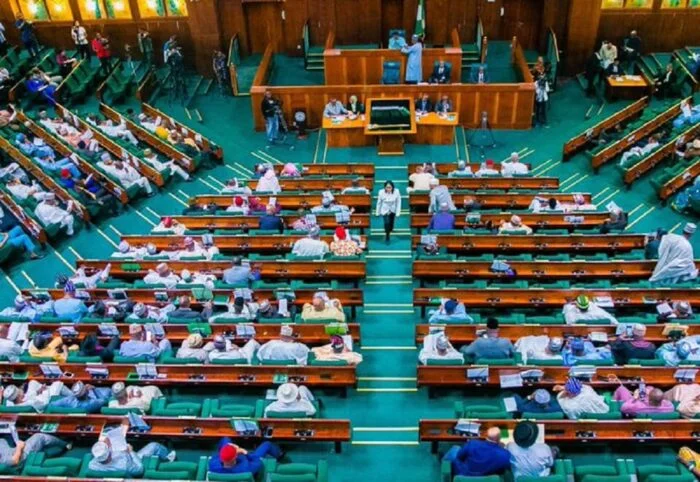
On Tuesday, the House of Representatives Public Accounts Committee scrutinized Yakubu Kofarmata, the Permanent Secretary of the Federal Ministry of Works, regarding the stalled Gidanwaya-Guaran Dutse-Waman Rafi-Saminaka-Kano road project. A significant sum of N1.46 billion had already been disbursed to the contractor, Messrs Jam Jam Dynamic Platform Limited, but the project, awarded in October 2022, had yet to commence—raising concerns about accountability and use of public funds. Kofarmata was compelled to appear after missing two previous hearings, and the committee had issued a five-day ultimatum aimed at ensuring his compliance, with potential legislative consequences for continued non-appearance.
During the hearing, Committee Chairman Bamidele Salam highlighted that the project was financed through a loan taken by the Federal Government. He expressed the committee’s intention to conduct a thorough inspection of critical national assets, particularly roads constructed in the last five years, in order to hold various stakeholders accountable. Citing information from the Debt Management Office, he pointed to the troubling allegations that, although the funds had been fully paid, the construction work on the road had not begun, which merited, in the committee’s view, a deepdive into the situation. Salam insisted on the importance of providing all involved parties a chance to be heard in the ongoing investigation of the road project.
Kofarmata maintained that the project was advancing and explained that the Gidanwaya-Guaran Dutse-Waman Rafi-Saminaka-Kano roads were divided into four phases. Specifically addressing the portion in question, he claimed that the 3.5-kilometer second phase had been completed, stating that the total amount of N1.46 billion referenced was not for the entire 133-kilometer stretch but rather for this specific portion. The Permanent Secretary attributed the segmented approach to the project’s execution to a lack of financial resources, emphasizing that phases were awarded progressively based on available funding.
Despite Kofarmata’s assertions, the committee found his explanations regarding the project’s status unconvincing. Members expressed dissatisfaction with both his oral submissions and the documentation provided, which they believed fell short of satisfactory transparency. Consequently, the committee ordered the Ministry of Works to return on November 5, 2024, with a more comprehensive array of documentation to support their claims. The directive included a demand for thorough records covering procurement, financial agreements, and various approvals that were necessary for the awarding and execution of the project.
The committee’s request encompassed a wide range of documentation, including procurement and financial records specific to the project, evidence of advertising, tender payment records, and approvals from the Ministerial Tender Board. The committee also asked for award letters, interim and completion certificates, and guarantees of advance payments. Specifically named were performance bonds issued by banks, letters requesting payments from the contractor, and documentation related to any variations requested by the contractor, reflecting the committee’s intent to ensure every aspect and financial transaction related to the road project was properly documented and justified.
Overall, the confrontation between the Public Accounts Committee and the Permanent Secretary points to a larger issue of financial management and oversight within government projects. This situation exemplifies the need for strict accountability and transparency in public spending, particularly concerning infrastructure development. The committee underscored their commitment to justice by emphasizing the importance of scrutinizing the use of loans intended for public projects and ensuring that taxpayers’ funds are effectively utilized to improve national infrastructure. This case, amid significant public scrutiny, serves as a reminder of the critical need for diligence in government contracts and the ongoing responsibility of public officials to provide thorough accountability. The outcome of the subsequent hearings and the provision of requested documentation will be pivotal in determining the fate of the Gidanwaya-Guaran Dutse-Waman Rafi-Saminaka-Kano road project and enforcing accountability for public funds expended.









