





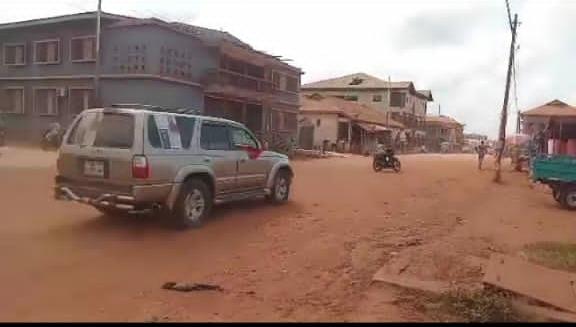
Residents of Mpatasie, a farming community situated in the Berekum Municipality of the Bono Region, have urgently called on the government to asphalt the Mpatasie-Berekum road. The plea arises from considerable dissatisfaction regarding the persistent dust along the road, which they claim is significantly impacting their health and economic livelihoods. The community is facing a dual threat, as the dust not only causes respiratory issues but also affects the overall quality of life and productivity of individuals in the area. The residents have expressed their frustrations through various interviews, highlighting the urgent need for governmental action.
In a recent conversation with the Ghana News Agency (GNA), resident Erica Agyei noted that while she appreciated government efforts in reshaping the road, the problem of dust has escalated to an unbearable level. This dust poses a direct health risk, particularly to vulnerable groups such as school children and women, according to Agyei, who pointed out that many food vendors in the area sell their wares outdoors, thus exposing customers to these harmful conditions. The residents are particularly concerned about the implications of the dust on their children’s health and their overall community well-being.
Mary Agyei Frimpomaa, another resident, echoed similar sentiments, recalling the challenges they faced with potholes on the road. She acknowledged the Municipal Assembly’s intervention in reshaping the road but lamented that this has transitioned from a pothole problem to a dust issue. With the road becoming excessively dusty, the risk of accidents has also increased as drivers tend to speed to minimize their exposure to dust, leading to a rise in pedestrian knockdowns—an alarming trend, particularly concerning for the safety of children walking to and from school.
In response to the ongoing issues, Ms. Frimpomaa advocated for immediate measures to control the dust, such as regular watering of the road. The residents believe that such interventions would significantly alleviate their current plight and improve overall road safety and air quality in the community. Their calls for action indicate a broader desire for infrastructural improvements that will not only enhance their quality of life but also protect the vulnerable populations within their community.
The concerns raised by the residents of Mpatasie encapsulate a larger issue involving rural communities in Ghana facing infrastructural neglect. The lack of proper roads not only hampers efficient transportation but also poses various health hazards associated with dust and poor road conditions. Communities like Mpatasie often lack sufficient representation and resources to address their grievances with local government bodies effectively, leading to persistent issues that affect their daily lives. A systematic approach is needed, where local governments can prioritize the needs of such communities in infrastructure planning and maintenance.
Sustainable solutions must include not only road asphalting but also the implementation of regular maintenance and community engagement in road safety initiatives. By addressing the root causes of these issues, the government can contribute to improving health outcomes, enhancing economic opportunities, and fostering safer environments for all residents, particularly vulnerable populations like children and women. The Mpatasie community’s plight serves as a poignant reminder of the importance of prioritizing rural infrastructure development as a matter of public health and economic viability.








