









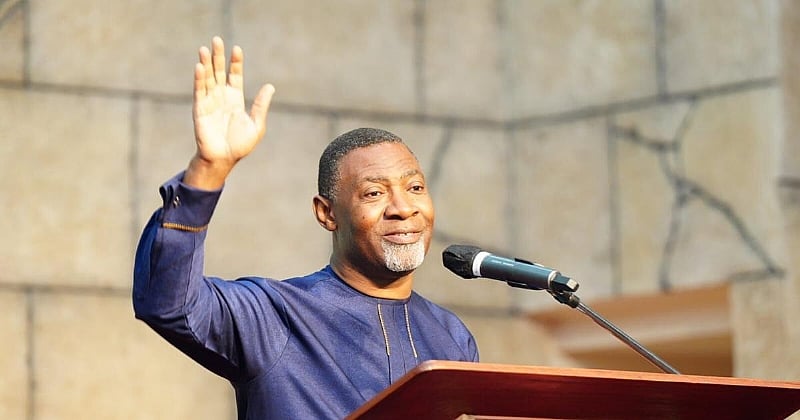
Rev. Canon Dr. Lawrence Tetteh, a distinguished figure in the religious community and the President of Worldwide Miracle Outreach, has recently made headlines following remarks he made regarding the HIV status of students at the University of Ghana. His comments, which were delivered during an interview on GTV’s Breakfast Show on October 24, 2024, elicited significant backlash from the university’s administration. The university administration described his statements as “insensitive” and “unfounded,” emphasizing that such claims could potentially contribute to stigmatization and fear within the student community.
In light of the outrage provoked by his comments, the University of Ghana’s Public Affairs Directorate issued a request for Dr. Tetteh to publicly retract his statements and issue an apology. This demand was rooted in concern over the possible implications of his comments, particularly in relation to public health perceptions and the emotional well-being of students affected by such topics. Dr. Tetteh responded to the outcry by issuing a formal statement on October 29, wherein he clarified that he never intended to undermine the university’s reputation or to instill fear among students or the general public regarding HIV prevalence on campus.
In his apology, Dr. Tetteh expressed deep regret for the comments he made, acknowledging their potential harm to the University of Ghana community. He emphasized his desire to retract his statements unconditionally and highlighted that his intention was not to create stigma or misinformation regarding students’ health statuses. He recognized the serious implications of discussing health issues, particularly one as sensitive as HIV, in a public forum and took responsibility for the misunderstanding that resulted from his comments.
Dr. Tetteh also elaborated on the context of his remarks, attributing them to anecdotal information he had encountered throughout his work. In his role, he interacts with many individuals, often discussing sensitive issues such as health, but he clarified that he normally refrains from sharing such information publicly. This acknowledgment underscored his understanding of the responsibility that comes with being a public figure and a source of information, especially on delicate matters like health.
The incident has sparked a broader conversation about the ethical responsibilities of public figures in discussing health-related issues, particularly in academic environments. The University of Ghana’s response highlights the potential consequences of airing controversial opinions without sufficient evidence, especially regarding matters that could impact public perception and societal attitudes towards vulnerable populations. Dr. Tetteh’s situation exemplifies the delicate balance that must be maintained when commenting on public health issues, shedding light on the need for sensitivity and accuracy in public discourse.
In conclusion, Dr. Tetteh’s experience serves as a reminder of the significant impact public statements can have on communities, especially those concerning stigma and health. As he retracts his comments and offers an apology, the attention this situation has garnered may aid in fostering a more responsible discourse around sensitive health issues. This incident underscores the importance of accountability and the careful consideration required when discussing topics that affect people’s lives, particularly in educational institutions.









