





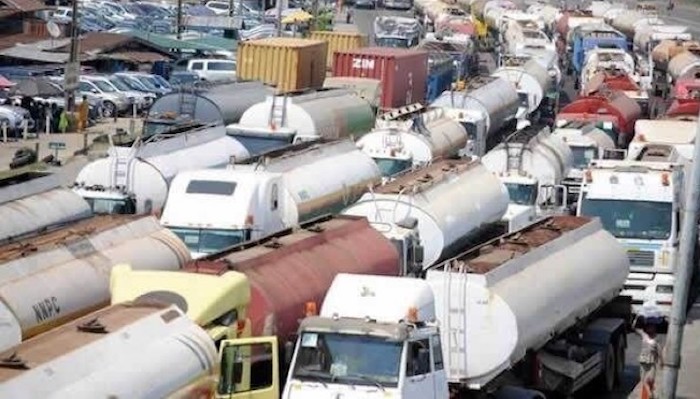
The recent developments in Nigeria’s petroleum sector have underscored the tensions between oil marketers and the newly operational Dangote Petroleum Refinery. Following an assertion from Aliko Dangote, the President of the Dangote Group, that oil marketers were failing to purchase products from his $20 billion refinery despite its operational capacity, the Petroleum Retail Outlet Owners Association of Nigeria and the Independent Petroleum Marketers Association of Nigeria (IPMAN) expressed their readiness to collaborate. Dangote criticized the ongoing importation of petrol amidst local refinement capabilities, urging retailers and the Nigerian National Petroleum Company Limited (NNPCL) to cease imports and directly purchase from his facility. Conversely, oil marketers outlined that they have repeatedly sought engagement with Dangote to establish a solid business framework for procuring refined petroleum products, with little success to date.
Efforts by these marketers, particularly the Independent Petroleum Marketers Association of Nigeria, have been stymied by logistical challenges at the Dangote refinery. IPMAN’s president, Abubakar Maigandi, reported that members have faced long waiting periods—up to four days—without successful loading of products, despite having cleared significant payments. He challenged Dangote’s claims of a substantial 500 million liters of petrol in stock, asserting that such reserves should facilitate quicker access for IPOAN members if true. Maigandi proposed an alternative registration system directly with independent marketers to ease procurement issues, emphasizing their willingness to engage directly with the refinery.
The juxtaposition of supply and demand illustrates a complex marketplace as the Dangote refinery begins to prioritize oil marketers holding import licenses, often placing them ahead of nonspecific local dealers in the distribution hierarchy. This specific selling strategy has incited concerns among other marketers about unequal access to resources from the refinery. While industry insiders suggest that such prioritization may be tied to the refinery’s unique location within a free trade zone, members of IPMAN and others have expressed frustration and a strong desire to secure licenses that would grant them direct buying power from the rapidly operational refinery. As the industry’s mechanics evolve post-Dangote’s entry, it appears crucial for local marketers to unify their strategies in order to successfully scale their engagement with the refining sector.
From a regulatory standpoint, the operational environment for marketers remains complicated. The Petroleum Industry Act allows for willing-buyer and willing-seller arrangements, which theoretically should facilitate easier contracting between Dangote and local suppliers. However, a lack of decisive government action regarding waivers that would permit the refinery to sell directly to domestic marketers has left many feeling marginalized. Industry experts voice the need for such regulatory support, given the vital role that local fuel sales play amid the fluctuating dynamics of global oil markets. This perceived government oversight could limit opportunities for fair competition in the budding market established by Dangote’s refinery.
Amid these discussions, the Nigerian Ports Authority recently reported multiple deliveries of refined petroleum products, indicating that while local access may be challenging, supplies continue to arrive through import channels. These developments come in a context of rising inflation rates, where increased petrol prices could further amplify economic distress for everyday Nigerians. Reports documented price increases from the NNPCL, citing the rise of petrol prices in Abuja and Lagos, leading to heightened concerns about further inflation affecting the broader economy. As the increased price of fuel triggers long queues at retail outlets, there are fears of exacerbated hardships among the populace amid an already challenging economic climate.
Ultimately, the dynamics between Dangote’s refinery and local marketers signal a larger narrative of opportunity and challenge as Nigeria aims for self-sufficiency in fuel supply. While the Dangote refinery is ideally positioned to meet national demands with its vast production capacity, the pathways to accessing these products appear fraught with bureaucratic and logistical hurdles. As local marketers strive for better channels of negotiation and access, balancing regulatory frameworks and ensuring equitable competition will be pivotal in shaping a robust and sustainable petroleum market in Nigeria. Stakeholders must engage actively with one another to overcome these current challenges and facilitate a collaborative approach that benefits all participants in this critical industry.








