





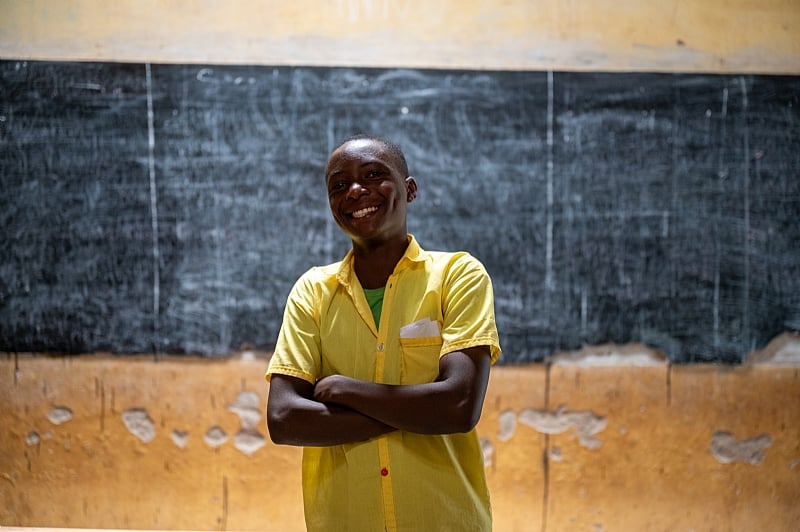
Epimaque’s story poignantly illustrates the devastating impact of climate change-induced disasters on vulnerable communities. Forced from his home by a landslide triggered by torrential rains in 2019, he sought refuge in Munyongwe Sector, a region grappling with its own environmental vulnerabilities. His experience mirrors that of thousands of Rwandans displaced by floods and landslides, highlighting the urgent need for climate adaptation and resilience-building strategies. The northwest region of Rwanda, characterized by its hilly terrain and susceptibility to heavy rainfall, faces a heightened risk of such disasters, leading to significant loss of life and property and disrupting the lives of countless families like Epimaque’s.
Munyongwe Sector, while offering a haven from immediate danger, presents its own set of environmental challenges. Deforestation and land degradation, fueled by the pervasive dependence on firewood for cooking, pose a significant threat to the region’s long-term sustainability. This reliance on firewood, a practice embraced by a vast majority of households in Gakenke District, exacerbates existing environmental pressures and necessitates interventions aimed at both mitigating environmental damage and empowering residents to actively participate in resilience-building efforts. The cycle of environmental degradation and displacement underscores the interconnectedness of these challenges and the need for holistic solutions.
Recognizing the critical need for intervention, the International Organization for Migration (IOM), in collaboration with the Rwanda Environment Management Authority (REMA), launched a comprehensive initiative to strengthen the adaptive capacities of both displaced families and host communities in Munyongwe Sector. Central to this initiative is a large-scale reforestation project, involving community members in planting thousands of trees. A combination of native species and fruit trees were strategically chosen to address multiple objectives: stabilizing the soil to prevent further landslides, providing a sustainable food source, and generating income opportunities for the community. This multi-pronged approach aims to enhance environmental resilience while simultaneously improving local livelihoods.
The reforestation efforts are complemented by the introduction of clean energy solutions, aimed at empowering the next generation. The installation of a solar energy system at Mugera Primary School, which serves hundreds of students, has had a transformative impact on the learning environment. Previously, the lack of electricity hampered educational activities, particularly during the rainy season when insufficient light forced the cancellation of classes. The solar system now ensures uninterrupted learning, regardless of weather conditions, contributing to improved student performance and teacher morale. The availability of electricity extends beyond the classroom, benefiting the wider community by providing a convenient location to charge electronic devices, a service previously requiring a long trek to the nearest electrified area.
The far-reaching benefits of these initiatives are evident in the renewed hope and resilience displayed by the community. For Epimaque, the rainy season, once a source of fear and uncertainty, now represents a time of growth and potential, nurturing the fruit trees that offer a path towards economic stability. At Mugera Primary School, the arrival of solar energy has ushered in a brighter future for students and teachers alike. The illuminated classrooms symbolize not only improved educational opportunities but also a sense of empowerment and optimism. The combined impact of reforestation and clean energy solutions has created a ripple effect of positive change, fostering both environmental and societal resilience.
The success of this integrated approach serves as a compelling model for addressing climate-induced displacement and building sustainable futures. Implemented under the Kampala Ministerial Declaration on Migration, Environment, and Climate Change (KDMECC), a landmark regional agreement, this initiative highlights the power of collaborative action and the potential for migration to be a driver of sustainable development. By investing in climate-smart solutions, such as reforestation and clean energy, communities can mitigate the risks of displacement, adapt to changing environmental conditions, and build more resilient futures, turning challenges into opportunities for growth and prosperity. The story of Munyongwe Sector stands as a testament to the transformative power of community-driven resilience-building in the face of climate change.








