





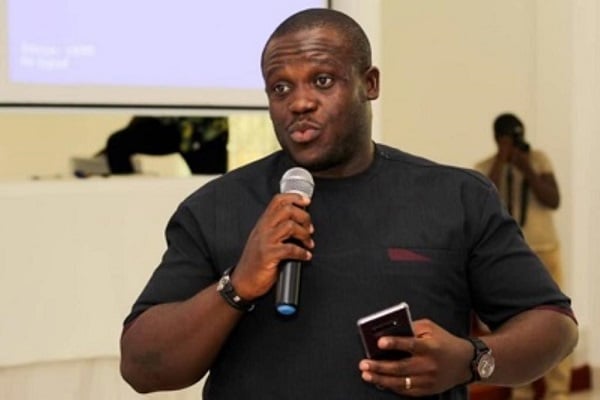
The ongoing debate surrounding Ghana’s proposed anti-LGBTQ+ legislation has intensified, with Member of Parliament Sam Nartey George asserting that former President John Dramani Mahama will face relentless pressure to enact the bill if he returns to power. This declaration follows Mahama’s recent interview with the BBC, where he suggested a review of the Promotion of Proper Sexual Human Rights and Ghanaian Family Values Bill, commonly known as the Anti-gay Bill, before deciding on its implementation. George, a staunch advocate of the bill, insists that Mahama’s prior commitments to support the legislation bind him to its enactment, reflecting a strong public expectation for him to honor his pledge.
George contends that Mahama’s previous statements to religious leaders, affirming his support for the bill as a Christian and member of the Assemblies of God, contradict his more recent, nuanced stance. He interprets Mahama’s BBC interview as a response to President Akufo-Addo’s delay in signing the bill rather than a shift in his own position. George argues that Mahama’s purported commitment to the bill leaves him with no alternative but to sign it into law, emphasizing the intense public pressure he will encounter should he waver. This public pressure, according to George, will manifest as persistent demands for the bill’s enactment, leaving Mahama with “no peace” until he complies.
The controversial bill, passed by Parliament in February 2024, aims to protect what its proponents describe as traditional Ghanaian family values. However, critics argue that its provisions infringe upon fundamental human rights, sparking a heated national debate. The legislation criminalizes various activities related to LGBTQ+ identities and relationships, including advocacy, same-sex marriage, and the provision of support services. Opponents argue that the bill violates constitutional guarantees of equality, freedom of expression, and association, potentially leading to discrimination and persecution of LGBTQ+ individuals.
While the bill has garnered significant support from some segments of Ghanaian society, particularly religious groups, it has also drawn strong condemnation from human rights organizations and international bodies. The potential implications of the bill for Ghana’s international relations and its reputation on the global stage remain a subject of discussion and concern. The international community, including several human rights organizations, has expressed reservations about the bill’s compatibility with international human rights standards.
The bill’s fate currently hangs in the balance, awaiting President Akufo-Addo’s decision. However, the matter is further complicated by two ongoing Supreme Court cases challenging the bill’s constitutionality. These legal challenges raise fundamental questions about the balance between protecting traditional values and upholding individual rights, placing the judiciary in a pivotal position to interpret the constitutionality of the proposed legislation.
The Supreme Court’s decision on July 17 to postpone its ruling until all related legal issues are resolved adds another layer of complexity. This delay prolongs the uncertainty surrounding the bill’s future and extends the period of public debate and advocacy on both sides of the issue. The eventual outcome of these legal challenges and the subsequent presidential decision will profoundly impact the lives of LGBTQ+ individuals in Ghana and shape the country’s legal and social landscape for years to come. The court’s decision is eagerly awaited, as it will significantly influence the future course of LGBTQ+ rights in Ghana and set a precedent for similar debates across the region and beyond.








