





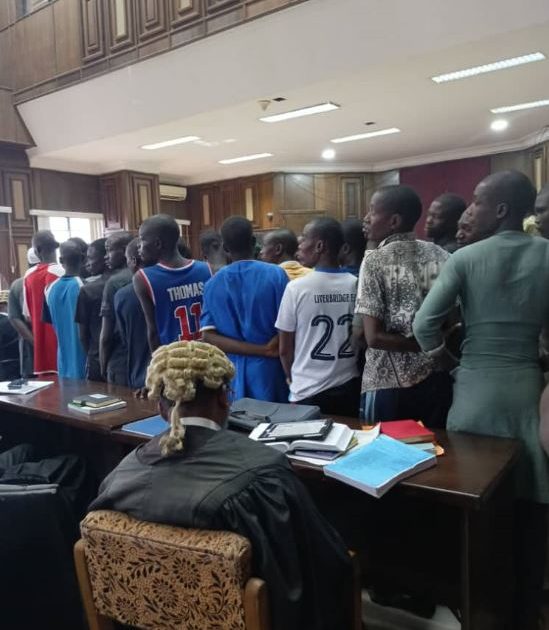
The Socio-Economic Rights and Accountability Project (SERAP) has issued a plea to President Bola Tinubu, urging him to instruct the Attorney-General of the Federation and Minister of Justice, Mr. Lateef Fagbemi, to ensure the immediate release of all protesters involved in the #EndBadGovernance movement, which includes a specific emphasis on the plight of 32 malnourished minors. This call for action was documented in a letter dated November 2, 2024, and revealed the organization’s concern about the treatment of these individuals, who are being detained solely for exercising their fundamental human rights peacefully. This incident highlights a broader issue regarding the handling of protests in Nigeria and the potential discouragement of citizens from asserting their rights as a result of such detentions.
SERAP’s letter, which was also sent to various international bodies including the United Nations Working Group on Arbitrary Detention, articulated a strong condemnation of the government’s actions against peaceful protesters. They contended that the current situation represents a significant violation of human rights and could foster an environment in which citizens feel unsafe to express dissent. The organization urged President Tinubu to take immediate and responsive action, warning that they would resort to legal channels if their recommendations were not acknowledged within a 48-hour window. This ultimatum reflects SERAP’s commitment to not only defend the rights of the protesters but also to seek accountability for any injustices they have faced.
The letter went further to demand a comprehensive investigation into the treatment of protesters, particularly focusing on the acknowledged deterioration of health among those detained, including the minors involved. SERAP insists that the authorities take immediate steps to rectify the poor conditions attributed to detention centers in Nigeria, arguing that the health and safety of individuals in such facilities must be prioritized. They claim that the detention and alleged mistreatment of protesters do not uphold the “best interests of the child,” highlighting how their current situation violates their rights to health, liberty, and education. By artfully framing their appeal, SERAP illustrates the urgency of the matter and the interconnectedness of social justice, children’s rights, and the broader human rights landscape in Nigeria.
Amid these developments, the Inspector-General of Police, Olukayode Egbetokun, took action by arraigning the defendants on various serious charges including treason and incitement to mutiny, suggesting a heavy-handed judicial response to the protests. Notably, during this process, Justice Obiora Egwuatu of the Federal High Court in Abuja granted bail to 76 of the protesters, setting the bail values at a collective sum of ₦760 million. The requirements for release included the provision of two sureties for each defendant, indicating that while some legal progress was made, the financial barriers placed on bail reflect ongoing systemic issues within the Nigerian legal and justice system that can disproportionately affect marginalized individuals, particularly the minors.
In response to the unfolding situation, Attorney-General Fagbemi expressed his willingness to take control of the case from the police, announcing intentions to withdraw the charges against the 32 minors who had been arraigned. His statement revealed an understanding of the complexities surrounding the case and an interest in reassessing the legal decisions made thus far. Although he noted that he cannot unilaterally alter the court’s ruling regarding the minors’ detention, he indicated that he has directed the police to transfer the case file for further examination. This step highlights a potential shift in how the government may handle the controversial charges against the minors, which is a crucial aspect of ensuring justice and human rights adherence moving forward.
As this legal discourse unfolds, the overarching theme remains the need to protect the rights and welfare of minors and protesters alike and to critically address the allegations of arbitrary detention and potential abuse within Nigeria’s prison system. The focus on the specific situation of the 32 children underscores the broader implications of human rights violations in the country, as SERAP and concerned citizens advocate for accountability and humanitarian considerations. The events surrounding the #EndBadGovernance protests serve as a catalytic reminder of the importance of democratic rights, the rule of law, and the necessity for a government response that aligns with international human rights standards, thereby fostering an environment free from fear and repression for all citizens.








