





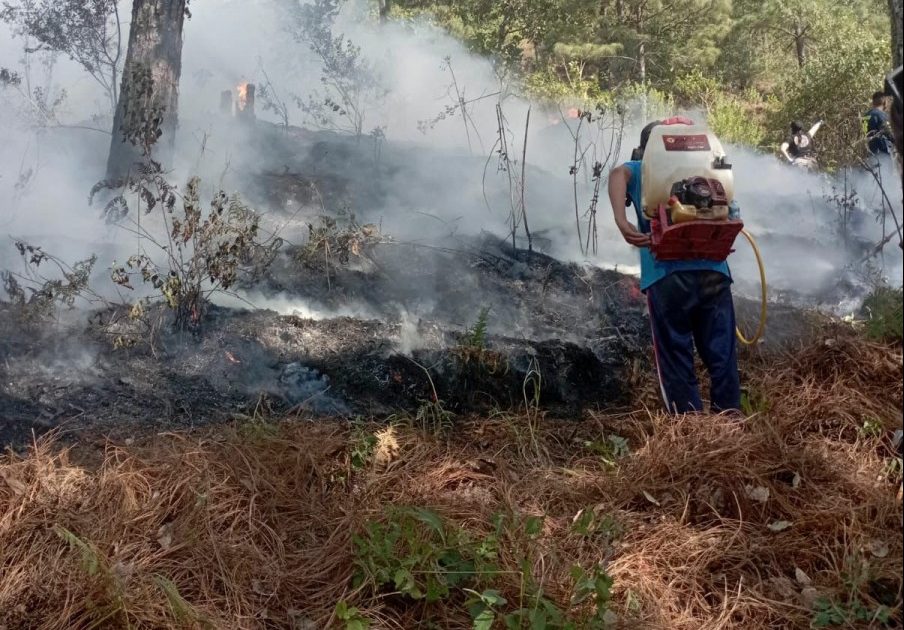
The tragic crash of a Cessna 207 aircraft in a remote, forested region of Jalisco, Mexico, on Sunday, claimed the lives of at least seven individuals, casting a somber pall over the region. The small aircraft, originating from La Parota in the neighboring state of Michoacan, met its devastating end amidst challenging terrain, significantly complicating rescue and recovery efforts. Jalisco Civil Protection, the agency responsible for disaster response, confirmed the incident via social media, highlighting the difficult accessibility of the crash site, which hampered immediate access for emergency responders. Upon reaching the scene, initial responders reported a preliminary death toll of seven, though the identities of the victims remained unconfirmed at the time of the report. The agency further noted that a fire, likely ignited by the impact, had been extinguished, and risk mitigation measures were implemented to prevent further damage or hazards. The somber task of recovering the victims’ remains and definitively ruling out the presence of additional casualties awaited the arrival of forensic investigators.
The incident underscores the inherent risks associated with air travel, particularly in regions characterized by challenging topography. The dense forestation surrounding the crash site undoubtedly posed significant obstacles for search and rescue operations, delaying access to the wreckage and potentially hindering the provision of timely medical assistance, had there been any survivors. The remoteness of the area likely also contributed to communication challenges, potentially delaying the reporting of the incident and the subsequent deployment of emergency services. While the specific cause of the crash remains undetermined pending a thorough investigation, factors such as mechanical malfunction, pilot error, or adverse weather conditions could have played a role. The investigation, to be conducted by relevant aviation authorities, will aim to reconstruct the events leading up to the crash and identify the contributing factors, with the goal of preventing similar tragedies in the future.
The recovery operation, given the difficult terrain, promises to be a complex and painstaking process. Forensic investigators will meticulously examine the wreckage and surrounding area to retrieve the remains of the victims and gather evidence crucial to determining the cause of the crash. The challenging accessibility of the site necessitates specialized equipment and expertise to safely navigate the terrain and ensure the integrity of the recovery process. The identification of the victims will likely involve a combination of methods, including visual identification, dental records, and DNA analysis, depending on the condition of the remains. This process may take considerable time, adding to the anguish of families awaiting confirmation of their loved ones’ fate.
The tragedy serves as a stark reminder of the importance of stringent safety protocols in aviation. Regular aircraft maintenance, rigorous pilot training, and adherence to established flight procedures are critical to minimizing risks and ensuring the safety of passengers and crew. Investigative bodies will scrutinize the aircraft’s maintenance records, pilot qualifications, and flight plan to ascertain compliance with safety regulations and identify any potential lapses that may have contributed to the crash. Furthermore, the investigation will likely examine weather conditions at the time of the incident to determine if they played a role in the tragedy.
The families and communities affected by this devastating loss face a difficult period of grieving and healing. The sudden and unexpected nature of the tragedy compounds the emotional toll, leaving loved ones grappling with profound grief and unanswered questions. Support services, including counseling and grief support groups, will be crucial in assisting families navigate this challenging time and cope with the emotional aftermath of the crash. The community at large, both in Jalisco and Michoacan, will undoubtedly rally around those affected, offering solace and support during this period of mourning.
As the investigation unfolds, the focus will remain on understanding the circumstances surrounding the crash and preventing future occurrences. The findings of the investigation will be instrumental in informing policy decisions and enhancing safety measures within the aviation industry. By learning from this tragic event, authorities can strive to create a safer aviation environment and minimize the risk of similar incidents occurring in the future. The memory of those lost in this tragedy will serve as a poignant reminder of the importance of continuous vigilance and unwavering commitment to safety in air travel.








