









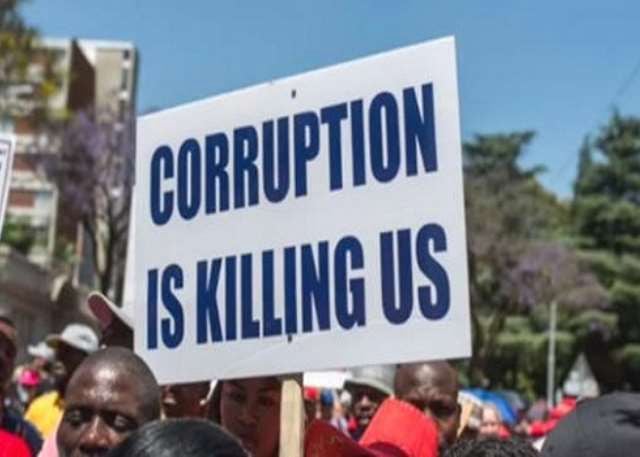
The Afrobarometer survey conducted in Ghana during August 2024 paints a concerning picture of public perception regarding corruption and the safety of reporting it. A significant majority of Ghanaians, seven in ten, express fear of retaliation or negative consequences should they report corruption to the authorities. This represents a concerning decline in perceived safety compared to 2022, indicating a growing reluctance among citizens to engage in anti-corruption efforts. This fear of reprisal creates a chilling effect, potentially allowing corruption to flourish unchecked due to a lack of reporting. The prevailing sentiment undermines the effectiveness of anti-corruption mechanisms and highlights a critical need to strengthen protections for whistleblowers and build public trust in reporting channels.
Adding to the bleak outlook, the survey reveals a stubbornly high perception of corruption within Ghanaian society. A staggering 74% of respondents believe corruption has increased over the past year, with a majority (63%) perceiving a substantial rise. While this marks a slight decrease from the 2022 figure of 77%, it still represents a significantly elevated level of perceived corruption compared to previous years. The persistent belief in widespread corruption erodes public trust in institutions and fuels cynicism about the government’s ability to address the issue. This negative perception cycle can further discourage reporting and hinder efforts to combat corruption effectively.
The Ghana Police Service and the Presidency bear the brunt of public disapproval, identified as the most corrupt institutions. A troubling 63% of respondents believe almost every police official is corrupt, reflecting a deeply ingrained distrust in law enforcement. This perception undermines the police’s ability to maintain law and order and erodes public confidence in their capacity to investigate and prosecute corruption cases impartially. Meanwhile, the Presidency faces similar scrutiny, with 54% of respondents perceiving widespread corruption within this highest office. Such a perception can severely damage the government’s credibility and hinder its efforts to promote good governance and accountability.
Following closely behind the police and the Presidency, tax officials (53%) and Members of Parliament (51%) also face significant public skepticism regarding their integrity. The perception of widespread corruption within these key institutions further contributes to the overall negative picture of governance in Ghana. The perceived lack of integrity among tax officials can undermine tax compliance and revenue collection, while suspicion surrounding MPs erodes public trust in the legislative process and raises concerns about the potential influence of corruption on policy decisions.
The findings of the Afrobarometer survey underscore the urgent need for comprehensive reforms to address both the perception and the reality of corruption in Ghana. Strengthening the Whistleblower Act of 2006, enacted to protect individuals who report corruption, is crucial. This includes ensuring effective mechanisms for investigating reported cases, protecting whistleblowers from retaliation, and holding perpetrators accountable. Furthermore, promoting transparency and accountability within public institutions, particularly the police and the Presidency, is essential to rebuilding public trust. This can involve implementing stricter ethical guidelines, strengthening internal oversight mechanisms, and fostering a culture of integrity within these institutions.
Beyond institutional reforms, addressing the deeply ingrained societal acceptance of corruption is paramount. Public awareness campaigns can help educate citizens about the detrimental effects of corruption and encourage them to report instances without fear. Promoting ethical leadership and fostering a culture of accountability from the top down can also contribute to shifting societal norms and reducing the prevalence of corruption. Ultimately, a multi-faceted approach involving legal reforms, institutional strengthening, and societal change is necessary to effectively combat corruption and build a more transparent and accountable Ghana. This requires a concerted effort from government, civil society organizations, and citizens alike to address the root causes of corruption and foster a culture of integrity.









