The trajectory of Nigerian sports has faced numerous challenges, particularly highlighted by the underwhelming performances of national teams in recent Olympic Games. The failure of Team Nigeria at the Paris 2024 Olympics served as a catalyst for President Bola Ahmed Tinubu’s decisive action to dissolve the Ministry of Sports and reinstate the National Sports Commission (NSC). This historical move reflects a long-standing preference among sports professionals, including administrators, coaches, and athletes, who recognize the need for a system that encourages performance-based accountability rather than getting caught up in bureaucratic red tape. The restructured NSC is poised to foster innovation, collaboration, and a professional approach that contrasts starkly with the laxity often found in ministerial oversight, providing an avenue for tangible improvements in Nigerian sports.
Beyond the Olympic setbacks, Nigeria’s sports landscape has been marred by a myriad of issues, including regulatory failures that led to the barred participation of athletes in international events. Notable incidents such as the exclusion of Blessing Okagbare and Oghene Egwero from major competitions due to registration issues and doping violations demonstrate systemic problems that extend beyond mere performance metrics. Adding to these troubles are accusations of toxic relations between the Ministry of Sports and various sports federations, compounded by the deplorable state of sporting facilities across the nation. With limited venues capable of hosting major games and a history of bureaucratic mishaps obscuring deeper issues, the Nigerian sports framework was in desperate need of reform, which President Tinubu’s bold move aims to address.
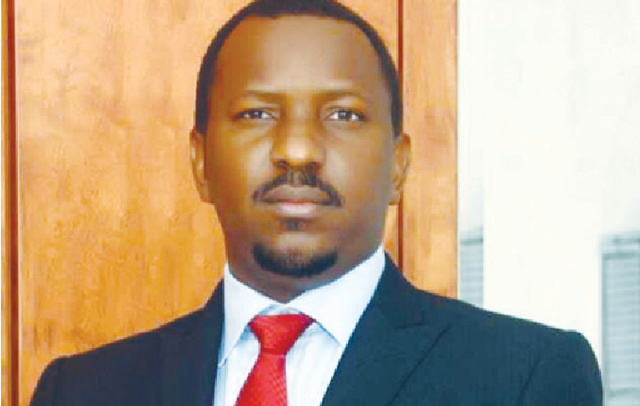
In appointing Shehu Dikko as Chair of the revamped NSC, the government is placing its trust in a seasoned sports administrator with a clear vision for growth. Dikko’s impressive credentials—ranging from his academic qualifications in management and his previous consultancy roles to his extensive experience in organizational reform—position him well to spearhead the rejuvenation of Nigerian sports. His background includes a significant role in the League Management Company (LMC), where he was pivotal in transforming the Nigerian football league through strategic sponsorship deals and structural improvements aimed at enhancing revenue streams and audience engagement. This experience positions him uniquely to navigate the intricacies of sports management in Nigeria and revive a flagging system.
Among his many initiatives, Dikko’s efforts to collaborate with international sports bodies and to create educational partnerships—like the “Beyond 3 Points” tour with Spanish La Liga—indicate a commitment to professionalizing the local sports economy. These initiatives are directed at establishing a sustainable framework for youth engagement and talent development, ensuring that young athletes are equipped to transition smoothly into professional ranks. Furthermore, Dikko has championed infrastructural investments aimed at enhancing local facilities and promoting grassroots participation, recognizing that a reliable pipeline of talent is essential for Nigeria’s long-term success in sports.
Dikko’s previous leadership roles within the sports community have not been without challenges; he navigated significant obstacles arising from political interference and the whims of past sports ministers. However, the current paradigm shift, facilitated by the dissolution of the Ministry of Sports, provides an opportunity for a fresh start, free from the political entanglements that previously hindered progress. Dikko’s extensive network in sports marketing, coupled with his understanding of the local and international landscape, places him in an advantageous position to attract the much-needed commercial partnerships and funding to revitalize Nigerian sports.
Looking forward, Dikko recognizes that his performance as the head of the NSC will ultimately be judged by tangible outcomes, namely the achievements of Nigerian sports teams on the global stage. He is acutely aware of the multi-faceted approach required to bolster the Nigerian sports environment, advocating for the integration of community support, corporate sponsorship, and media engagement in this collective effort. Notably, he envisions utilizing sports as a catalyst for enhancing employment opportunities, instilling youth empowerment, and driving economic growth through expanded investment in sports infrastructure and programs.
In conclusion, the revival of the National Sports Commission under the stewardship of Shehu Dikko presents a significant opportunity for the advancement of Nigerian sports. His professional background, coupled with a holistic vision for reform, positions him to tackle the entrenched issues that have plagued the industry. With the support of various stakeholders—including the government, corporate entities, and the public—Dikko’s commitment to reshaping the landscape of Nigerian sports can potentially foster a new era of success, providing a foundation for athletes to thrive while contributing to the broader economic development of the nation. The call for unity and concerted effort from all facets of society is vital to ensure that this initiative not only takes root but flourishes, ultimately redefining Nigeria’s status in the global sports arena.