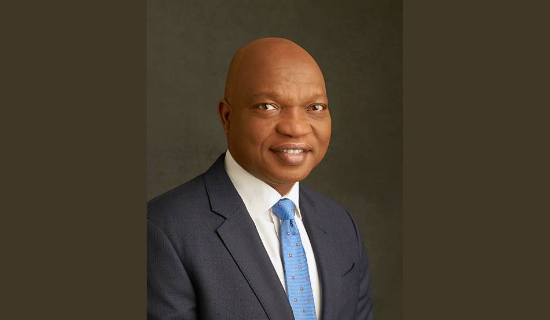
Osagie Okunbor, the Managing Director of Shell Petroleum Development Company Limited and Chairman of Shell Companies in Nigeria, recently conveyed a positive outlook regarding the future of Nigeria’s oil and gas industry during a panel session at the Nigeria Economic Summit in Abuja. His remarks came under the theme “Fuelling Growth: The Future of Oil and Gas,” where he addressed prevalent concerns about the sector’s viability. Okunbor emphasized that despite widespread apprehensions, the oil and gas industry in Nigeria remains resilient and is far from decline. He believes that the enactment of the Petroleum Industry Act, alongside additional supporting regulations, has significantly improved the industry’s outlook.
During the panel discussion, Okunbor pointed out that recent presidential directives have introduced a much-needed sense of coherence to the sector, which has historically struggled with regulatory inconsistencies. He explained that these developments create a conducive environment for investment and growth, which is essential for the sector’s longevity. Shell’s commitment to its Nigerian operations was also a focal point of his address, highlighting the company’s strategic collaborations with local partners aimed at fostering knowledge-sharing and resource pooling. This commitment, he noted, plays a crucial role in mitigating risks and ensuring sustainable operations within the challenging landscape of the oil and gas sector.
Central to Okunbor’s message was the importance of Shell’s technical expertise and resources, which he described as vital in supporting operations in Nigeria. He articulated that Shell’s advancements in technology not only improve operational efficiencies but also drive necessary innovation in the industry. By leveraging its global knowledge base, Shell is positioned to enhance the stability and growth of Nigeria’s oil and gas sector, thus contributing to the wider economy. His insights reflect a belief that with adequate investment in technology and human capital, the country can harness its abundant natural resources more effectively.
Moreover, Okunbor underscored Shell’s pledge towards fostering local content development, which he believes is instrumental in boosting economic growth and generating employment opportunities for Nigerians. He stressed that engaging with local communities is essential for building sustainable relationships and addressing the needs of those most affected by oil exploration. Such community engagement initiatives are portrayed as core components of Shell’s operations, reinforcing their commitment to corporate social responsibility while simultaneously promoting local economic development.
In this context, Okunbor outlined Shell’s strategic approach to working alongside local stakeholders, explaining that this engagement goes beyond contractual obligations. The company actively seeks to understand and address community concerns, ensuring that its operations are considerate of local needs. This approach not only fosters goodwill but is also critical for the sustainable development of the sector, as it cultivates a more inclusive environment conducive to economic growth.
In conclusion, Okunbor’s optimism reflects a belief in the transformative potential of Nigeria’s oil and gas sector, particularly in light of recent regulatory advancements and Shell’s commitment to local partnerships. By focusing on technological innovation, sustainable practices, and community engagement, both Shell and the broader oil and gas industry can navigate challenges and thrive in the future. He remains confident that with continued dedication and investment, Nigeria can solidify its position as a key player in the global energy market, powering growth and development for the nation.