





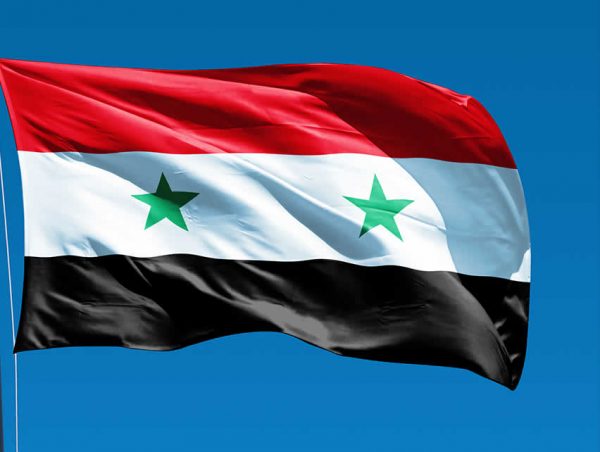
On Wednesday, Syria’s defense ministry reported that Israeli airstrikes targeting border crossings with Lebanon resulted in the deaths of six individuals and injuries to twelve others. This incident occurred just hours before a ceasefire was scheduled to take effect between Hezbollah and Israel. The statement from the ministry classified the strikes as an act of aggression emanating from Israeli territory, killing two Syrian soldiers alongside four civilians. In addition to the fatalities, the attack injured multiple civilians, including children and Syrian Arab Red Crescent workers, emphasizing the ongoing human cost of the conflict in the region.
These airstrikes come at a time of heightened tensions between Israel and Hezbollah, particularly in the context of the broader regional security dynamics. Israel’s military operations are often justified as preemptive measures against perceived threats, especially those linked to Hezbollah, which has a fortified position in southern Lebanon and receives support from Iran. The situation remains precarious, with both sides remaining on high alert, and any military actions can escalate into larger conflicts, further complicating the humanitarian situation on the ground.
The conflict not only has dire implications for those directly involved but also affects neighboring countries, as well as international relations in the region. Humanitarian organizations have expressed concern for civilian safety in such volatile environments, as regular airstrikes and ground attacks disrupt daily life and essential services. With reports of injuries to healthcare workers among the casualties, the attacks undermine the already fragile healthcare system in areas impacted by warfare.
International responses to ongoing Israeli airstrikes have historically varied, often critiquing or supporting these actions based on political alliances and regional interests. The Israeli government typically defends its military strategy as necessary for national security and deterrence against hostile non-state actors like Hezbollah. In contrast, criticisms arise regarding the toll these actions take on civilian populations, perpetuating cycles of violence, and hindering the prospects for a long-term resolution to the Israeli-Palestinian and broader Middle Eastern conflicts.
As the situation evolves, the ceasefire slated to begin following the strikes offers a potential respite from hostilities, but skepticism often lingers about the sustainability of such agreements. Past ceasefires have been frequently violated, leading to renewed escalations of violence. Nevertheless, moments of ceasefire also present opportunities for peace negotiations, humanitarian aid delivery, and rebuilding damaged infrastructures, if both parties show restraint and commitment to resolving underlying issues.
In conclusion, the recent Israeli strikes have once again underscored the fragility of the situation along the Lebanon-Syria border and the humanitarian impact of military conflicts in the region. The deaths and injuries resulting from these actions further complicate the path toward peace, highlighting the need for sustained diplomatic efforts to address the underlying causes of violence. Moving forward, both regional actors and the international community must focus on constructive dialogue, ensuring that the voices of the affected civilians are heard, and that humanitarian needs are addressed amidst a backdrop of political complexities and strife.








