





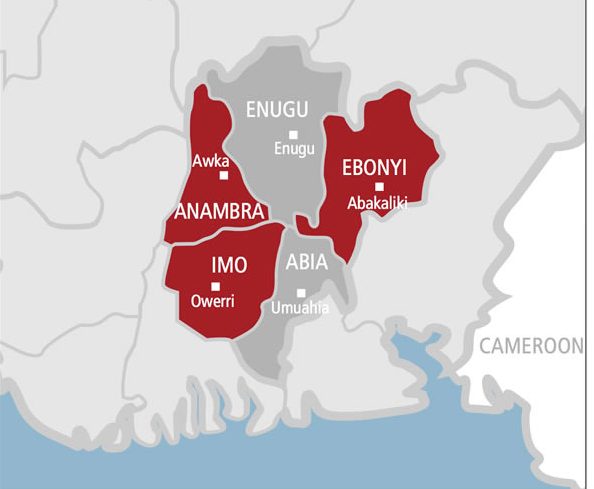
The festive season of Christmas and New Year, typically a period of joy and reunion for families across Nigeria, has been marred by significant transportation challenges for commuters in the southeastern states of Imo and Abia. Exorbitant fare hikes, coupled with protracted travel times caused by a proliferation of military and police checkpoints, have left travellers frustrated and financially strained. The numerous checkpoints, ostensibly established for security purposes, have instead become a source of extortion by officers, adding to the financial burden on commuters and drivers alike. This predicament has cast a shadow over the holiday season, hindering many from joining their loved ones in their villages and hometowns.
The surge in transportation costs has been particularly pronounced on major routes. Travel from Owerri to Lagos and Abuja now commands fares between N23,000 and N25,000, and N35,000 to N38,000, respectively, figures significantly higher than usual. Shorter routes have also witnessed sharp increases, with fares from Owerri to Port Harcourt, Aba, and Umuahia all experiencing substantial jumps. This widespread price escalation has been attributed by transport unions and drivers to the “settlement” fees demanded by security operatives at the ubiquitous checkpoints. The cost of these informal payments, they argue, is ultimately passed on to passengers, driving up fares and exacerbating the financial strain on travellers.
Beyond the financial burden, the excessive number of checkpoints has also drastically increased travel times. Journeys that typically take less than an hour are now stretching into multiple hours due to the frequent stops and delays at these checkpoints. Drivers on the Owerri-Aba and Owerri-Umuahia routes, for example, report that trips now take twice or thrice as long as usual, causing frustration and inconvenience for passengers eager to reach their destinations. The situation is further complicated by ongoing road construction in some areas, which, combined with the increased holiday traffic and checkpoint delays, creates a perfect storm of travel disruption.
The impact of these challenges extends beyond individual travellers. The increased transportation costs ripple through the local economy, affecting businesses and contributing to the rising cost of goods and services. Traders who rely on intercity transport to source their goods are forced to pass on the increased transportation costs to consumers, leading to a general rise in prices. This inflationary pressure exacerbates the economic hardships faced by many residents, particularly during the festive season when expenses are typically higher. The cumulative effect of these factors threatens to dampen the festive spirit and leave many struggling to afford the basic necessities for their families.
The experience of commuters in Abia mirrors the situation in Imo. Multiple checkpoints, coupled with poor road conditions in some areas, have led to similar delays and fare hikes. Drivers on the Umuahia-Ohafia route, for instance, highlight the dilapidated state of the road, which forces them to take longer, alternative routes, further extending travel times and contributing to increased fares. Additionally, the “mode of operation” at some checkpoints, where young men are often singled out and subjected to prolonged scrutiny, contributes to the delays. This practice adds to the existing frustration and undermines the supposed security purpose of the checkpoints. The overall effect is a transportation system riddled with inefficiencies and burdened by unnecessary costs, both financial and temporal.
The public outcry over the situation has been widespread. Passengers complain not only about the exorbitant fares but also about the sometimes dehumanizing treatment they endure at checkpoints, including being forced to disembark and walk across military checkpoints under the sun. Many view the checkpoints as little more than “money spinners” for security operatives, rather than effective crime deterrents. The perception that even criminals can bypass these checkpoints by paying bribes further erodes public trust in the system. The chorus of complaints from commuters, drivers, and residents alike paints a picture of a transportation system in dire need of reform. The calls for government intervention, including subsidized bus services during the festive period and the reinstatement of fuel subsidies to alleviate the financial strain on citizens, underscore the urgency of the situation. The current state of affairs threatens to mar the holiday season and leave many unable to partake in the traditional celebrations with their families.








