





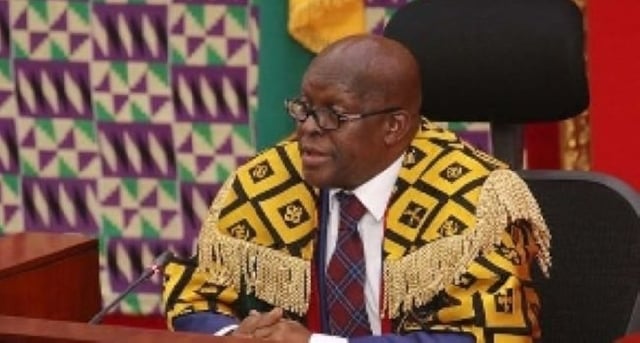
In a recent announcement, Parliament’s Speaker, Alban S. K. Bagbin, has emphasized the need for increased security measures within the parliamentary premises, specifically urging the Ghana Armed Forces (GAF) to implement security checks, including bomb detection and canine sweeps. This request arises ahead of the first session of each week, typically scheduled for Tuesdays, and highlights concerns regarding the safety and security of parliamentarians and staff. The statement, released on October 21, 2024, by Deputy Clerk Camillo Pwamang, reflects heightened vigilance following remarks made by the Speaker on October 17, during a session where the Minority Leader raised issues concerning the status of four Members of Parliament and their potential vacancies under the country’s constitutional provisions.
This call for security enhancements underlines the Speaker’s commitment to safeguarding parliamentary business, particularly in light of the public discussions and reactions prompted by the recent procedural matters. The Speaker’s prior comments and the subsequent public discourse illustrate the dynamic nature of political dialogue in Ghana, showcasing the interplay between legislative responsibilities and public sentiment. By soliciting the GAF’s assistance, the Speaker not only aims to bolster security but also to foster a sense of assurance among Members of Parliament as they conduct their legislative duties in a potentially volatile environment.
The request for canine and bomb sweeps is particularly notable given the context in which the Ghana Parliament is currently operating. Following a decision to hold sessions at the Grand Arena of the Accra International Conference Centre (AICC), Members of Parliament may face unique security challenges outside the traditional parliamentary setting. The reassignment to such a venue raises implications for logistical operations, necessitating coordinated security measures to ensure the safety of all individuals within the vicinity. The Speaker’s proactive approach in seeking military support reflects a broader trend of increased security awareness within governmental institutions, which can often be perceived as vulnerable.
Moreover, the announcement serves to underscore the Ghana Armed Forces’ critical role in assisting civilian authorities, especially in matters of security and national safety. By collaborating with the legislature, the military can help reinforce the rule of law and uphold democratic practices, which are essential for the functioning of any parliamentary system. This partnership highlights a mutual understanding between the military and civilian bodies that security is a shared responsibility, ultimately contributing to a stable political climate conducive to effective governance.
In addition to addressing immediate security concerns, the decision to establish regular security sweeps signals a commitment to preventive measures that can mitigate potential threats before they arise. This proactive stance is crucial in an age where political tensions can occasionally escalate, underscoring the importance of preparedness in legislative processes. Moreover, it may encourage a culture of safety within the political arena, inspiring other governmental institutions to adopt similar initiatives aimed at protecting officials and the democratic process.
Overall, the Speaker’s appeal for enhanced security measures illustrates a comprehensive approach to governance that prioritizes the safety and well-being of elected officials while ensuring the continued functionality of parliamentary democracy in Ghana. By harnessing the capabilities of the Ghana Armed Forces, the Speaker not only addresses immediate security concerns but also lays the groundwork for a more resilient parliamentary system that can withstand the pressures of both domestic and international challenges. In doing so, Parliament can maintain its role as a vital institution in upholding democratic values and fostering public confidence in governmental operations.








