





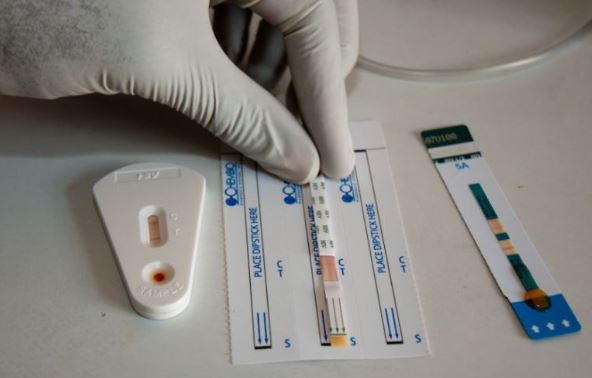
On Wednesday, stakeholders gathered in Abuja for the CDC Nigeria’s fifth biannual engagement meeting, emphasizing the importance of an integrated and unified approach to HIV management across the country. The meeting, themed “Strategic Pivoting Towards Programme Simplification and Sustainable Public Health Intervention,” underscored the urgent need for collaboration among various government levels, implementing partners, civil society, and other key stakeholders. Suzanne Theroux, the Acting Country Director of CDC Nigeria, articulated the critical need for a coordinated response to combat HIV effectively, thanking partners for their ongoing support through the United States President’s Emergency Plan for AIDS Relief (PEPFAR) program. Theroux emphasized that the collective efforts must continue with a shared goal of eradicating HIV as a public health threat and improving health outcomes for all Nigerians.
U.S. Ambassador to Nigeria, Richard Mills Jr, joined in the discussions, highlighting the necessity for simplifying health programs to enhance state ownership and sustainability. Theroux praised the progress stakeholders have made in recalibrating program data to align with the UNAIDS 95-95-95 goals, which aim for 95% of people living with HIV to know their status, 95% of those diagnosed to receive sustained antiretroviral therapy, and 95% of those receiving therapy to achieve viral suppression. Her observations about the remarkable dedication of individuals working to mitigate the HIV threat in Nigeria reflect a collective sense of commitment and determination among the attendees. Theroux’s remarks also focused on the successful initiatives being implemented, particularly efforts to prevent mother-to-child transmission and to promote equitable access to HIV services while addressing related issues such as gender-based violence.
The meeting highlighted successful strategies such as one-stop shops led by key populations, which provide a comprehensive care model while empowering communities and saving lives. The importance of youth-focused initiatives, including STEM incubation hubs that equip young individuals with essential skills, was also emphasized as a noteworthy approach to fostering change. The collective sentiment among stakeholders is that Nigeria has exhibited a model for the world by not only striving for HIV epidemic control, but also by empowering individuals and communities with the tools to drive positive change in their lives. Health equity emerged as a significant focus of the discourse, with many participants expressing gratitude that underserved populations in Nigeria are now prioritized to address treatment coverage discrepancies.
Dr. Temitope Ilori, Director General of the National Agency for the Control of AIDS (NACA), reaffirmed the government’s commitment to sustaining the national HIV response beyond 2030. She emphasized the necessity for integrating HIV response efforts into national government structures, advocating for full ownership by government entities. Ilori proposed a phased approach to this integration, distinguishing between problematic and financial phases that would create the necessary frameworks for a successful transition from a medicalized model to one embedded within mandated government structures. Her optimism about Nigeria’s trajectory in the fight against HIV/AIDS signals a hopeful outlook, bolstered by strong partnerships with the U.S. government and the Nigeria Center for Disease Control (NCDC), which support sustainability at both federal and subnational levels.
Dr. Jerry Gwamna, Deputy Director for Programs at the Division of Global HIV/TB at CDC, reiterated the importance of leveraging data-driven solutions to enhance HIV management, especially for vulnerable populations. His focus was on improving health outcomes among individuals living with HIV/AIDS and increasing treatment coverage for children under ten. Gwamna stressed that innovation and data analytics are pivotal for achieving these health outcomes, reducing disparities, and ensuring inclusivity in the HIV response. The integration of HIV services into other health systems was deemed critical for effective coordination of care while creating provisions for access in informal sectors.
Collectively, the stakeholders’ discussions at the meeting underscored a concerted effort to redefine the national response to HIV management through integration, innovation, and collaboration. By fostering partnerships and utilizing data effectively, the aim is to enhance health outcomes, close equity gaps, and provide sustained support for individuals living with HIV across Nigeria. The call for strategic simplification of programs reflects an understanding of the complexities involved in integrating health responses within existing frameworks. Ultimately, the sustained commitment from all stakeholders remains essential to ensuring that Nigeria makes continued progress toward controlling HIV and improving the overall health of its populace.








