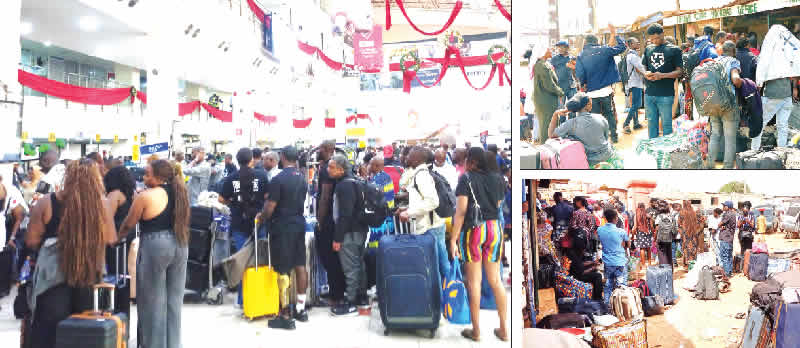
The festive cheer of Christmas was significantly dampened in Nigeria this year as traders across multiple states lamented drastically low patronage due to an unprecedented surge in food prices. Markets in major cities like Lagos, Abuja, Port Harcourt, Kano, and Kaduna, typically bustling with activity during the holiday season, were unusually subdued. The prevailing narrative across these commercial hubs was one of hardship and frustration, as both traders and consumers struggled to cope with the skyrocketing cost of essential food items, a stark contrast to the robust sales experienced in previous years. This economic downturn has been attributed to a confluence of factors, including high inflation, the removal of fuel subsidies, and the persistent insecurity plaguing various parts of the country, all culminating in a diminished purchasing power for the average Nigerian.
Traders in various markets detailed the significant price increases across a range of food items. A basket of tomatoes, a staple in many Nigerian dishes, saw its price more than double in some markets. The cost of rice, another essential food item, experienced similar increases, with a 50kg bag reaching prices almost double what it was the previous year. This surge in prices extended across other staples like beans, onions, pepper, and poultry, impacting both holiday meals and everyday sustenance. The increased cost of transportation, fuelled by high petrol prices, further compounded the issue, adding another layer of expense for both traders transporting goods and consumers traveling to markets. The consequence was reduced purchasing power for consumers and dwindling profits for traders stuck with unsold, perishable goods.
The ripple effect of the price hikes was particularly evident in the livestock and poultry markets. The cost of chicken and turkey saw substantial increases, attributed to escalating feed and transportation costs. Even frozen foods, often a more affordable alternative, experienced significant price jumps. This widespread inflation impacted the entire food supply chain, from farmers and producers to wholesalers and retailers. Ultimately, it was the average Nigerian consumer who bore the brunt of these escalating costs, forced to drastically reduce their holiday shopping lists and make difficult choices about what they could afford. The festive season, usually a time of abundance and celebration, became a period of careful budgeting and constrained spending.
Consumers expressed their frustration and dismay at the exorbitant prices, sharing their struggles to afford even basic food items for their families. Many reported having to significantly scale back their Christmas purchases, opting to buy only the bare necessities. The prevailing sentiment was one of disappointment and concern, as the festive season, typically a time of joy and celebration, was overshadowed by economic hardship. The World Bank’s assessment of rising poverty levels in Nigeria, with over 100 million people now living in poverty, underscored the severity of the situation. The combination of economic instability, inflation, and high food prices pushed many further into poverty and exacerbated the challenges faced by those already struggling.
The frustration was not limited to consumers. Traders, equally affected by the economic downturn, expressed their concerns about the low patronage and the perishability of their goods. Many were forced to sell their produce at lower prices to avoid losses, further impacting their already slim profit margins. The prevailing sense of uncertainty and economic hardship permeated the usually vibrant marketplace, creating a somber atmosphere. Despite the increased foot traffic in some markets as people made last-minute purchases, the overall volume of sales remained significantly lower than previous years. The festive season, usually a period of increased income for traders, became a source of anxiety and financial strain.
The situation highlighted the broader economic challenges facing Nigeria, with the removal of fuel subsidies and high inflation contributing to the escalating food prices. The ripple effects of these policies impacted various sectors of the economy, pushing many Nigerians deeper into poverty and threatening livelihoods. The festive period, which traditionally brought a boost to local economies, became a period of hardship and uncertainty. The desperate measures taken by some, like POS operators manipulating transactions to avoid the electronic transfer levy, underscored the severity of the economic strain and the lengths people were willing to go to mitigate the impact of these policies. The widespread calls for government intervention and the implementation of policies to address the soaring food prices and ease the burden on citizens became a recurring theme. The hope for the new year was for a change in economic fortunes and relief from the crippling cost of living.